Channel Islands Wildfire Investigated After Reported Sailor Rescue on Santa Rosa Island
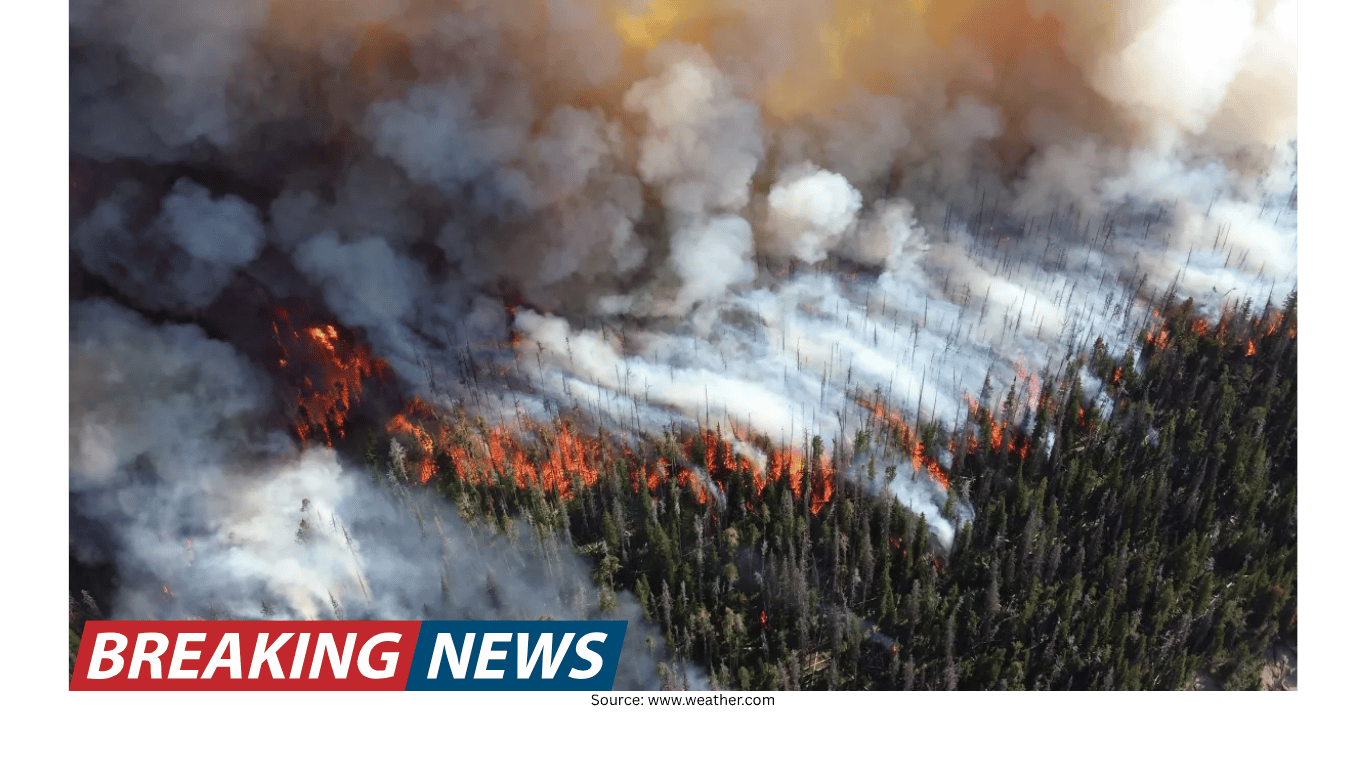
A wildfire on the Channel Islands, and a cause still under investigation
A massive wildfire burning on one of California’s Channel Islands remains under investigation, with early details pointing to a surprising possible trigger. According to information attributed to the U.S. Coast Guard, a stranded sailor’s distress flares may have sparked the blaze. The details have drawn attention because they connect a life-saving emergency signal with the potential start of a destructive fire.
At this stage, the cause has not been confirmed. What is clear from the available information is that investigators are working to determine how the fire began and whether the flares used during the sailor’s distress situation were involved. The situation underscores how quickly conditions can change in coastal and island environments, where emergency actions can intersect with wildfire risk.
What the Coast Guard details suggest
The U.S. Coast Guard’s reported details are central to the current focus of the investigation. Those details suggest that distress flares used by a stranded sailor may have ignited the wildfire. Distress flares are designed to be highly visible and attention-grabbing, especially in remote areas or over water, where a person in trouble may have limited options to signal for help.
The information does not establish a definitive sequence of events, and it does not state that flares were conclusively responsible. Instead, it indicates a plausible link that investigators are examining. In wildfire investigations, officials typically look at timelines, witness accounts, and the location of the initial flames relative to human activity. In this case, the reported connection between the sailor’s predicament and the subsequent fire has made the incident notable.
The rescue: a sailor stranded on Santa Rosa Island
Alongside the wildfire investigation is the account of an “amazing rescue” involving the stranded sailor on Santa Rosa Island. The rescue is described as dramatic, and the available summary emphasizes that the sailor was successfully rescued. The details presented highlight the urgency of the situation and the challenging environment in which the response took place.
Santa Rosa Island is part of the Channel Islands, a setting that can be isolated and difficult to access quickly. When someone becomes stranded in such a location, the margin for error can be small. The rescue, as described, stands out as a reminder of the role maritime and coastal rescue teams play in responding to emergencies that unfold far from immediate help.
How a distress situation can intersect with wildfire danger
Even without confirmed findings, the reported possibility that distress flares may have sparked a wildfire draws attention to a broader issue: emergency signaling tools are intended to protect life, but they can carry risks depending on circumstances. In dry, fire-prone environments, any heat source can be a concern, and that concern can be heightened when strong winds or dry vegetation are present.
In this incident, the key point is not that anyone’s actions were definitively responsible, but that investigators are examining whether a tool used to request urgent help may have unintentionally contributed to a large fire. That tension between immediate survival needs and environmental hazards is part of what makes the story compelling and, for many readers, unexpected.
The destructive fire “burning in his wake”
The available description of the event notes that the wildfire was burning “in his wake,” a phrase that conveys how closely the rescue and the fire are linked in the public narrative. It suggests that the fire continued to spread or burn after the rescue took place, leaving behind damage and an ongoing emergency response.
While the specific impacts and operational details are not included in the provided information, the characterization of the blaze as “massive” and “destructive” indicates a serious incident. Wildfires on islands can pose unique challenges due to limited access, constrained resources, and the need to protect both people and sensitive landscapes.
Why investigators focus on origin and cause
When a wildfire erupts, determining the origin and cause becomes a priority for multiple reasons. Identifying where the fire started can help responders understand how it spread and how similar incidents might be prevented. Establishing cause can also clarify whether the ignition source was natural or human-related, and whether any safety guidance needs to be updated or reinforced.
In this case, the investigation is notable because it centers on an emergency scenario. If the reported link to distress flares is supported by evidence, it could raise questions about best practices for signaling in fire-prone areas. If the link is not supported, it could help narrow the search to other possible causes. Either way, the investigation serves a practical purpose: learning what happened so future risks can be reduced.
What is known, and what remains uncertain
Based strictly on the provided information, several elements are clear:
- A massive wildfire is burning on one of California’s Channel Islands.
- The cause of the wildfire is under investigation.
- Details attributed to the U.S. Coast Guard suggest a stranded sailor’s distress flares may have sparked the blaze.
- The sailor was rescued from Santa Rosa Island in what is described as an “amazing rescue.”
- The fire is described as destructive and significant.
At the same time, important questions remain unanswered in the available summary. The investigation has not concluded, and there is no definitive statement confirming the ignition source. There are also no additional specifics provided here about the timeline, the extent of the fire, or the exact circumstances that led the sailor to become stranded. Those details may emerge through official findings, but they are not included in the information at hand.
Understanding the setting: remote islands and fast-moving emergencies
Incidents on the Channel Islands can evolve quickly because of the distance from the mainland and the logistical complexity of reaching certain areas. A stranded sailor may have limited communication options, making visual signals like flares a critical tool. At the same time, a wildfire can become a major event rapidly, especially when conditions favor ignition and spread.
The combination of a maritime rescue and a wildfire investigation illustrates how different types of emergency response can overlap. A rescue mission focuses on immediate threats to a person’s life, while a wildfire response must manage a broader hazard that can affect large areas. When both happen in close proximity, responders and investigators may need to coordinate information and timelines carefully.
Why this story resonates
This incident stands out because it contains two high-stakes narratives at once: a life-saving rescue and a destructive wildfire. The reported possibility that the two are linked through the use of distress flares adds a layer of complexity. Many people associate flares with safety and rescue, not with fire ignition. That contrast is part of what makes the details described as “stunning.”
At the same time, the story is also a reminder that emergency tools exist for a reason. When someone is stranded, the priority is to be found and rescued. The investigation, however, reflects the need to understand whether any part of the distress response unintentionally contributed to a broader public safety crisis.
What to watch for as the investigation continues
Because the cause is still under investigation, the most important developments will come from official findings that clarify what happened. The key questions investigators will likely seek to answer include where the fire started, what the ignition source was, and whether the sailor’s flares were involved as suggested by the Coast Guard details.
Until those findings are complete, any link between the flares and the wildfire remains a possibility rather than a confirmed explanation. The rescue itself, however, is described as successful, and it remains a central part of the event’s timeline. As more information becomes available, the public will likely learn more about how the rescue unfolded and how investigators are assessing the reported connection to the fire.
A note on weather forecasting and public safety messaging
Public safety incidents involving wildfire often lead to renewed attention on preparedness and situational awareness, including the role of weather and environmental conditions. Weather information can be an important part of understanding risk, particularly during periods when fire danger is elevated. In the context of this incident, the available information emphasizes that accurate forecasting is a valued component of weather coverage, reflecting the broader role weather reporting can play during destructive events.
For now, the central facts remain: a major wildfire is burning on one of California’s Channel Islands, a sailor was rescued from Santa Rosa Island, and investigators are examining whether distress flares may have been involved in sparking the blaze. The outcome of the investigation will determine how these pieces fit together and what lessons, if any, are drawn for future emergencies.