Weather
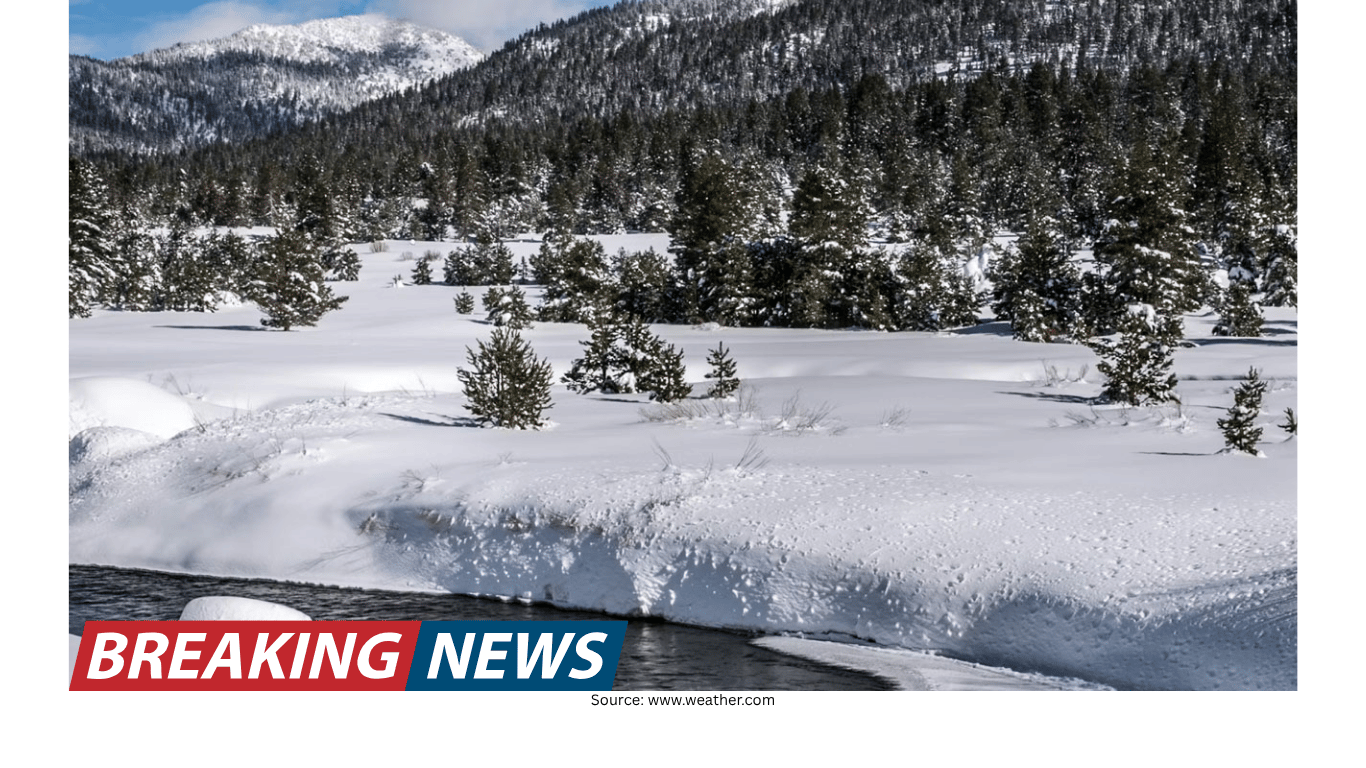
A Warm Winter, a Thin Snowpack: How 2025–26 Is Shifting the West’s Water Calendar
The winter of 2025–26 delivered record warmth across much of the western United States, leaving snowpack far below normal and pushing more precipitation to fall as rain. The result is a changing pattern of streamflow—more water earlier in the year, less later—complicating reservoir operations and raising the stakes for water supplies in basins such as the Colorado River.
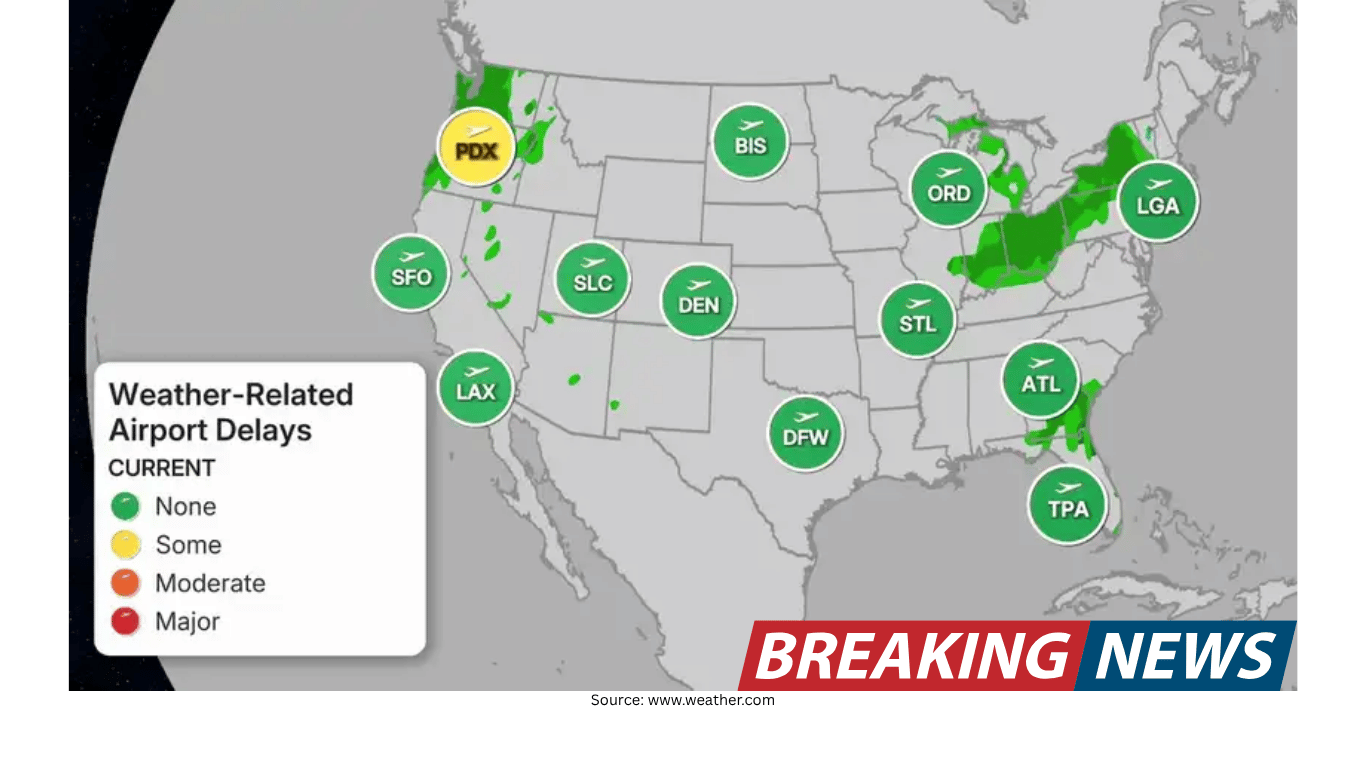
Travel Weather Outlook: Storm Delays in the East, Record Warmth in the West, and Showers Elsewhere
Travel over the next few days may face weather-related slowdowns, especially across the eastern U.S., where a low pressure system and cold front bring rain and thunderstorms. Meanwhile, record warmth dominates the West, scattered showers linger in the Pacific Northwest, and Florida continues to see storms that could disrupt commutes and some airport operations.
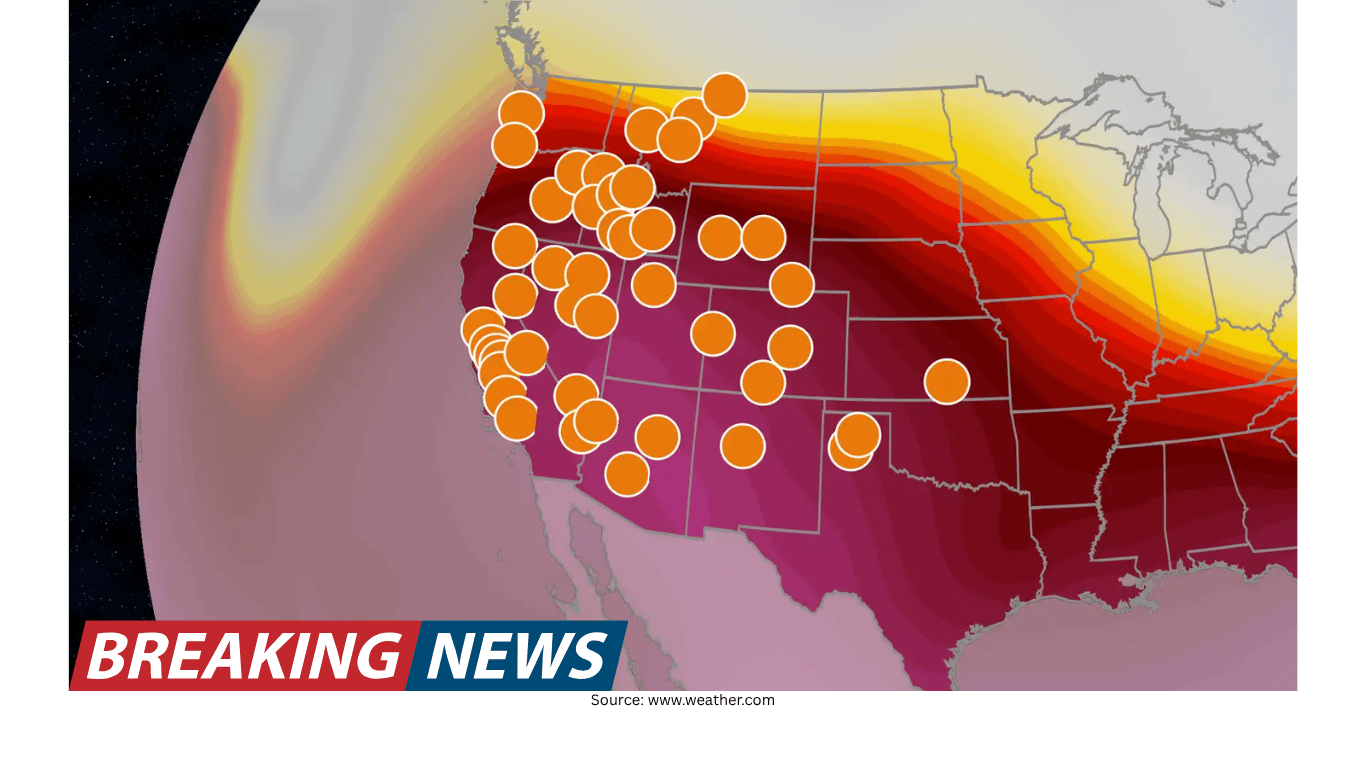
Extreme Heat Builds Across the Western U.S., Bringing Record-Challenging Temperatures
Extreme heat is building across the West, with highs running 10–25 degrees above average and daily records falling in some locations. Temperatures are expected to peak for most areas on Tuesday, with some relief in the Pacific Northwest and only slight improvement elsewhere.
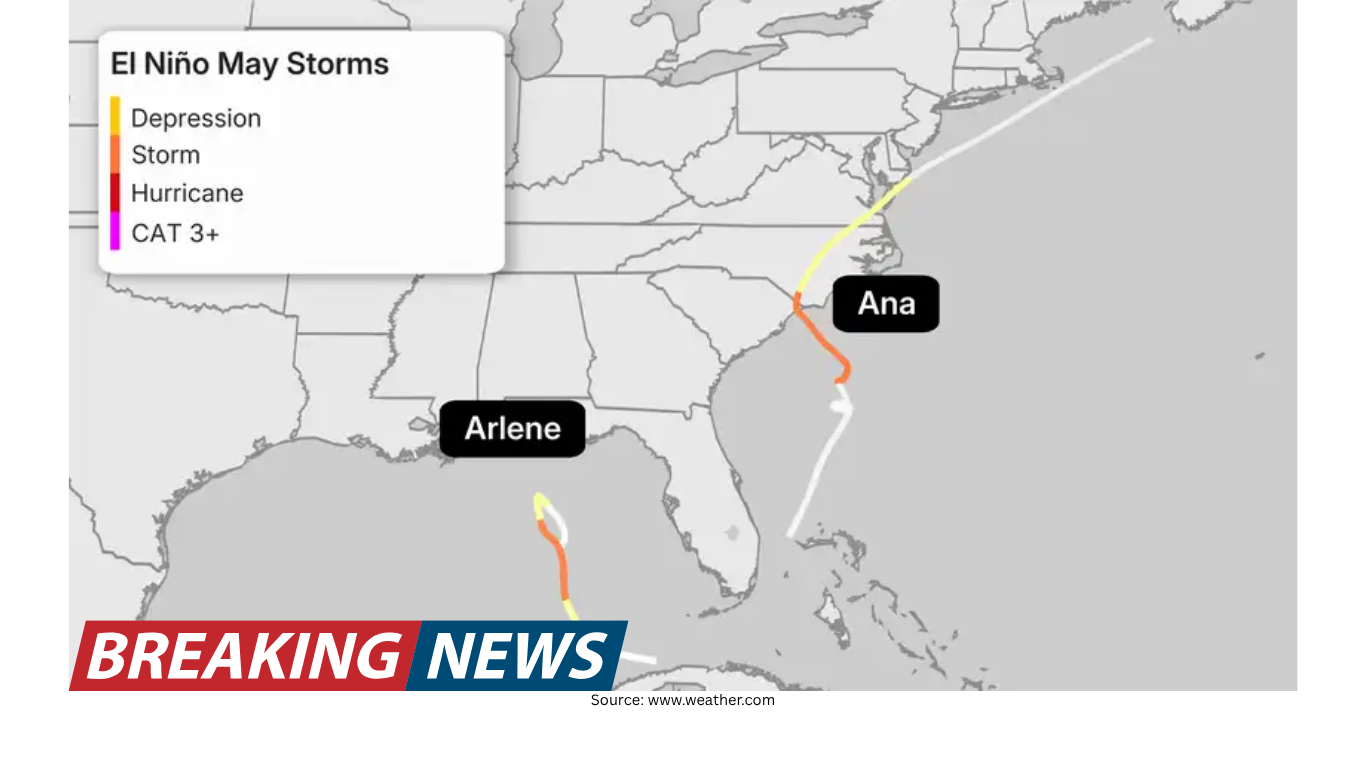
Why Some El Niño Hurricane Seasons Still Produce Early Storms
Even when El Niño points toward a below-average Atlantic hurricane season, storms can still form before the official June 1 start. Recent May systems show how early-season setups—often involving low pressure or stalled fronts—can briefly allow tropical development before stronger El Niño wind shear becomes established.
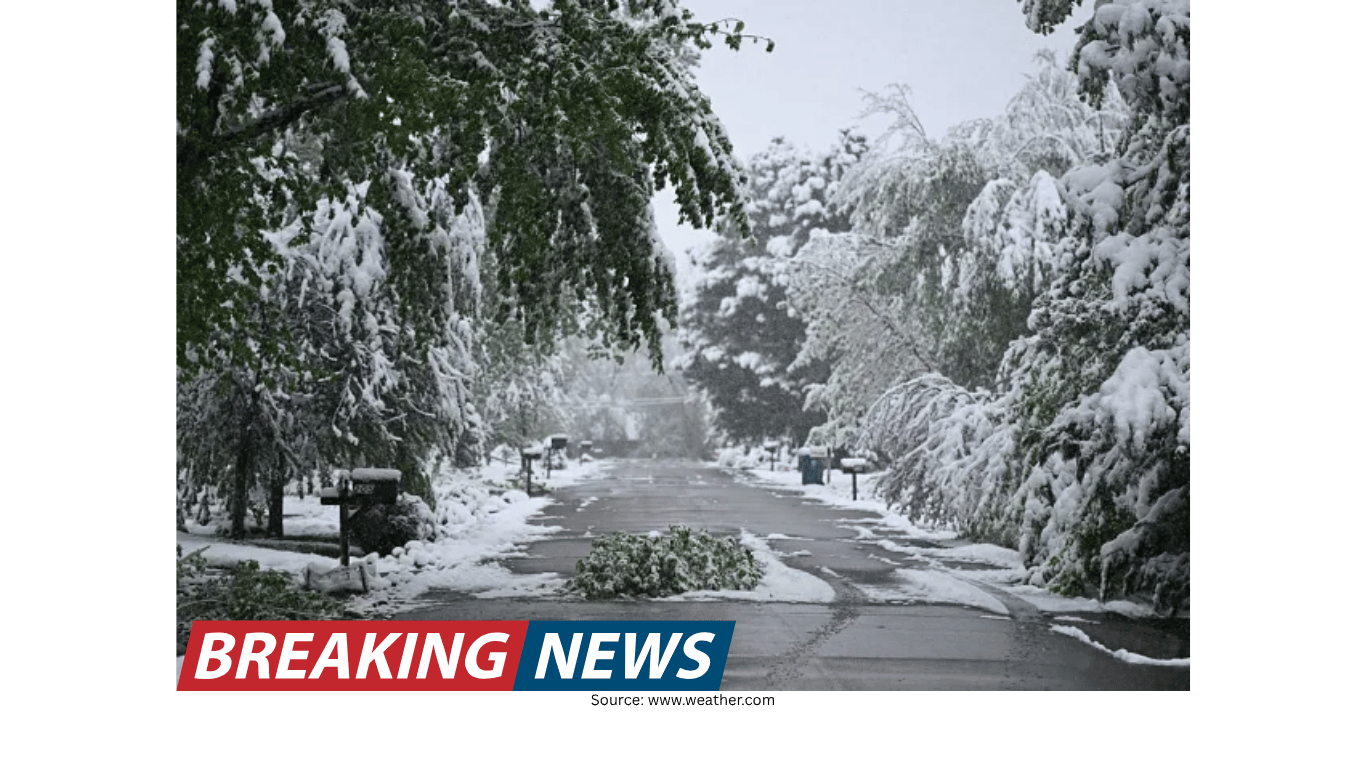
Colorado Hit by Late-Season “Cinco Snow Mayo” Storm, Bringing Heavy Wet Snow and Travel Disruptions
A late-season winter storm brought heavy, wet snow to parts of Colorado during the first week of May, creating a midwinter-like scene, snarling travel and raising concerns about tree damage, power outages and flooding afterward.

How Meteorologists Use Weather Apps to Plan Better Outdoor Time
A quick temperature check rarely tells the full story. Meteorologists recommend focusing on timing, humidity, heat index, wind, air quality and radar to plan outdoor activities with fewer surprises.
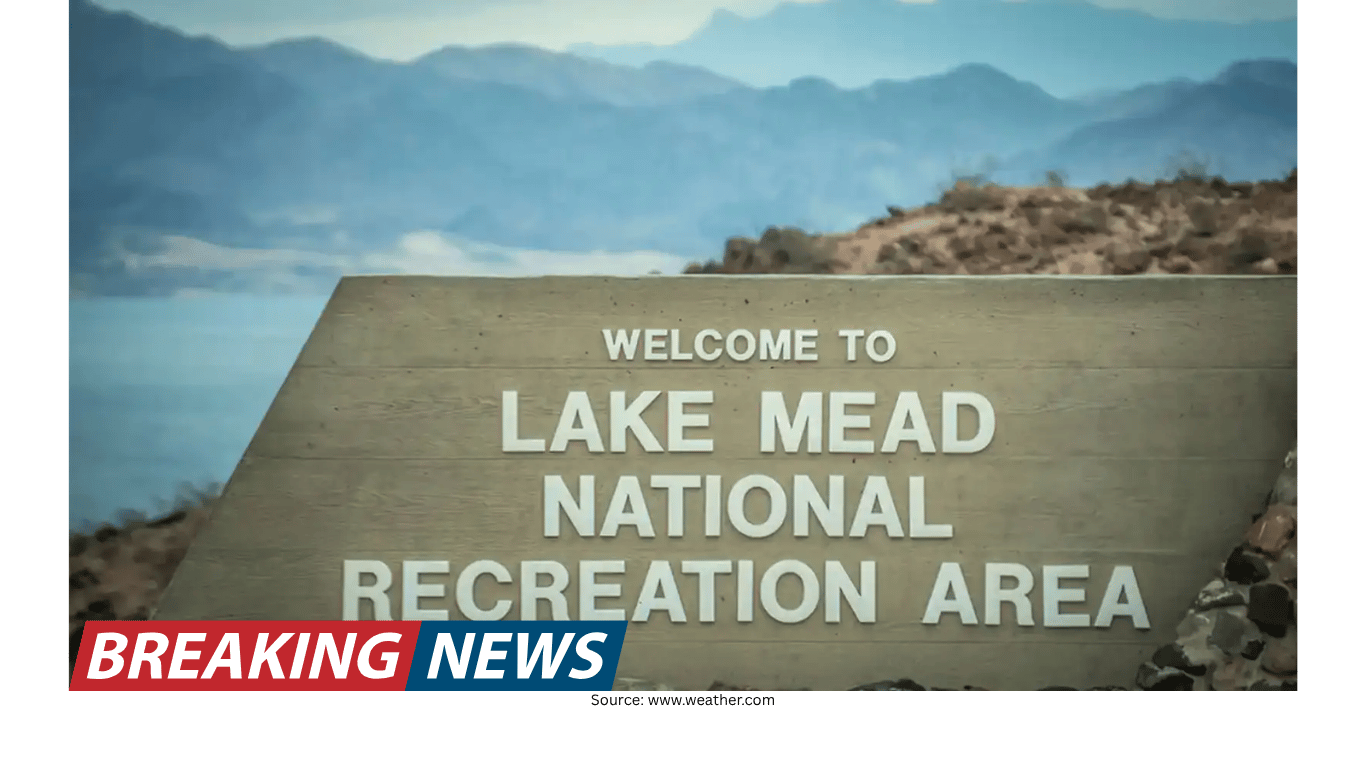
Lake Mead Nears Record Lows as Drought and Shifting Snowpack Strain the Colorado River Basin
Lake Mead, the nation’s largest reservoir and a key water source for the U.S. West, is again approaching historic low levels. Long-term declines since 2000, combined with exceptionally dry conditions, reduced snowpack and low runoff, are intensifying concerns about water supply, hydropower and recreation across the Colorado River Basin.
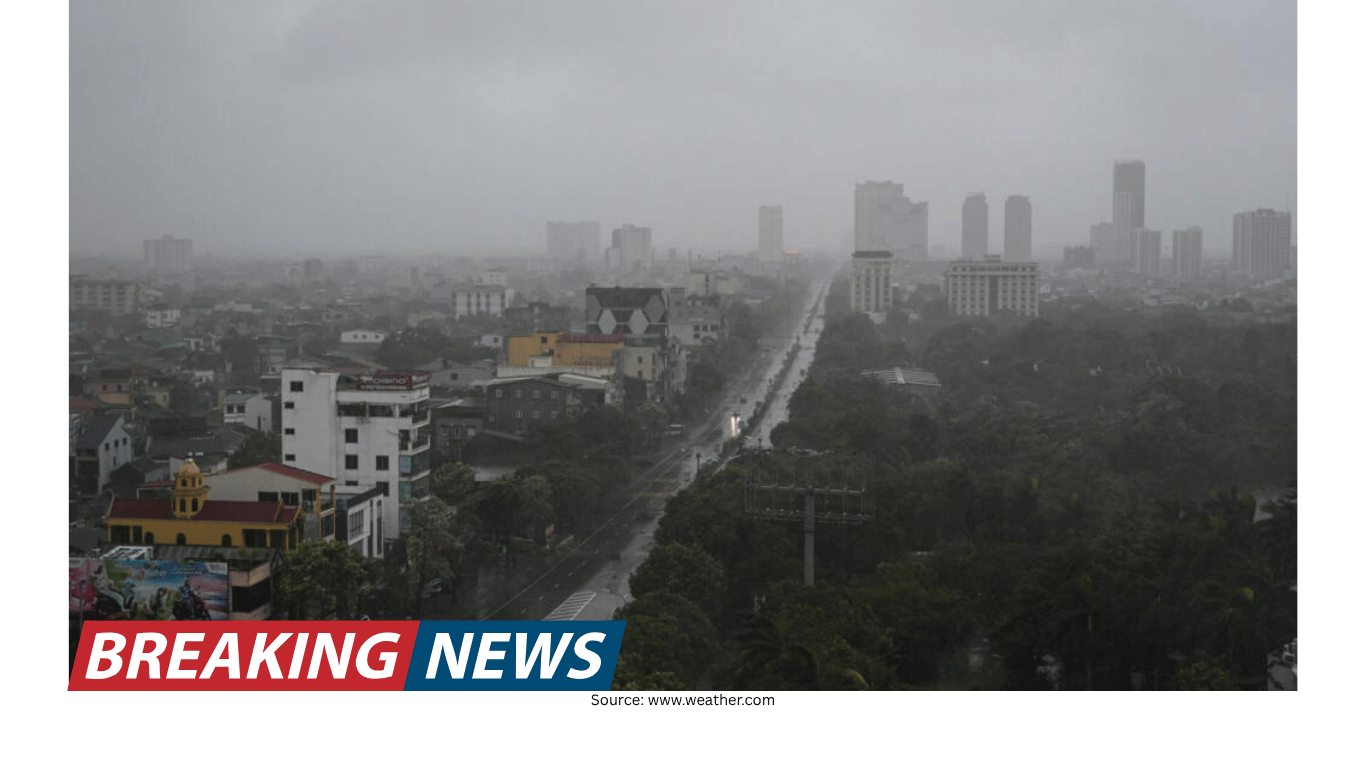
Storm Winds Send Metal Sheets Across a Highway in Ho Chi Minh City
A violent storm in Vietnam’s Ho Chi Minh City hurled metal sheets onto a highway, forcing drivers to react quickly to dangerous debris amid heavy rain and powerful winds—an example of how high-wind hazards can turn routine travel into a life-threatening situation.

Light Pollution Puts Chile’s Atacama Night Skies—and Major Observatories—Under Pressure
Chile’s Atacama Desert is prized for its dry climate, high altitude and isolation from urban light—conditions that deliver more than 300 clear nights a year and support some of the world’s most powerful telescopes. Scientists say growing development and unclear rules could jeopardize the darkness that makes the region a premier window to the universe.
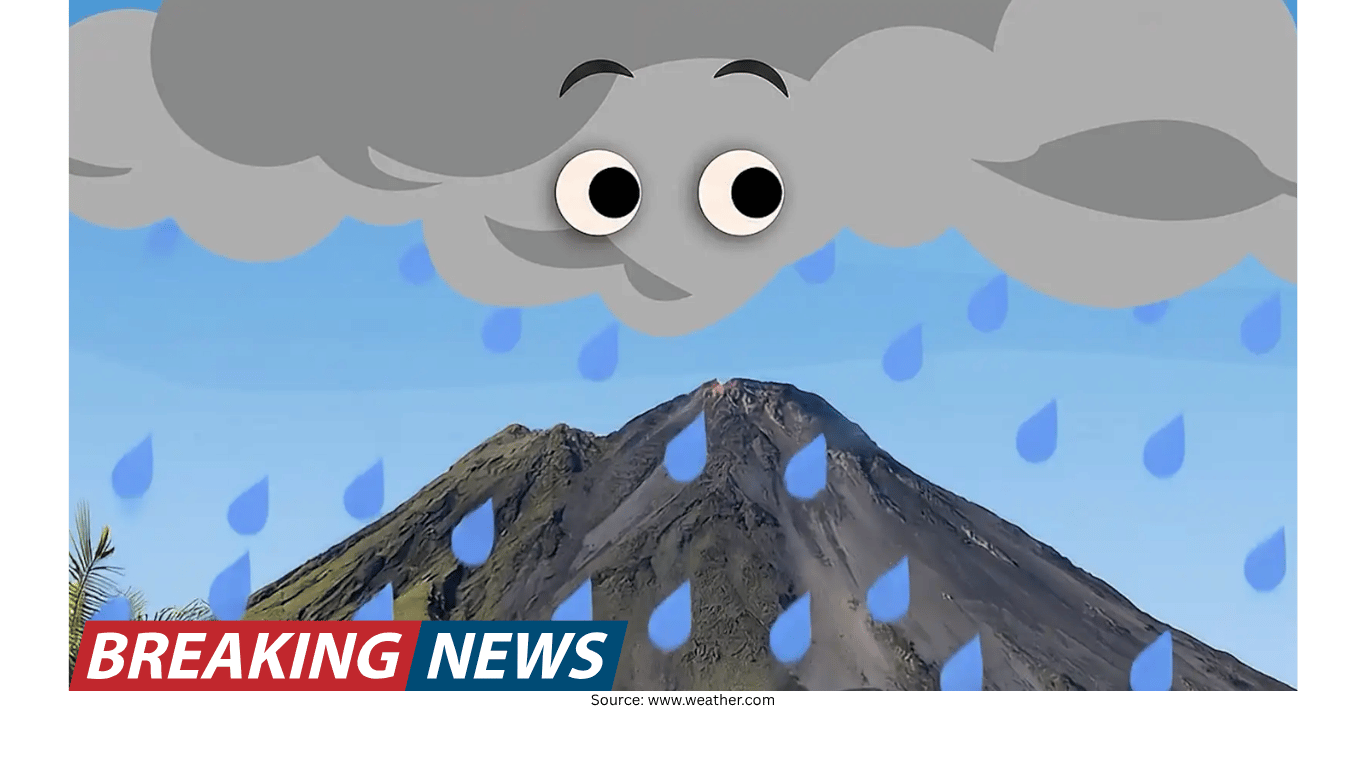
La Réunion: How an Indian Ocean Island Became a Global Benchmark for Extreme Rainfall
La Réunion Island set a remarkable rainfall record in 1966, when 71.8 inches fell in a single day. Its volcanic terrain and frequent cyclones help explain why it is widely regarded as one of the wettest places on Earth.
1 / 5