Storm Winds Send Metal Sheets Across a Highway in Ho Chi Minh City
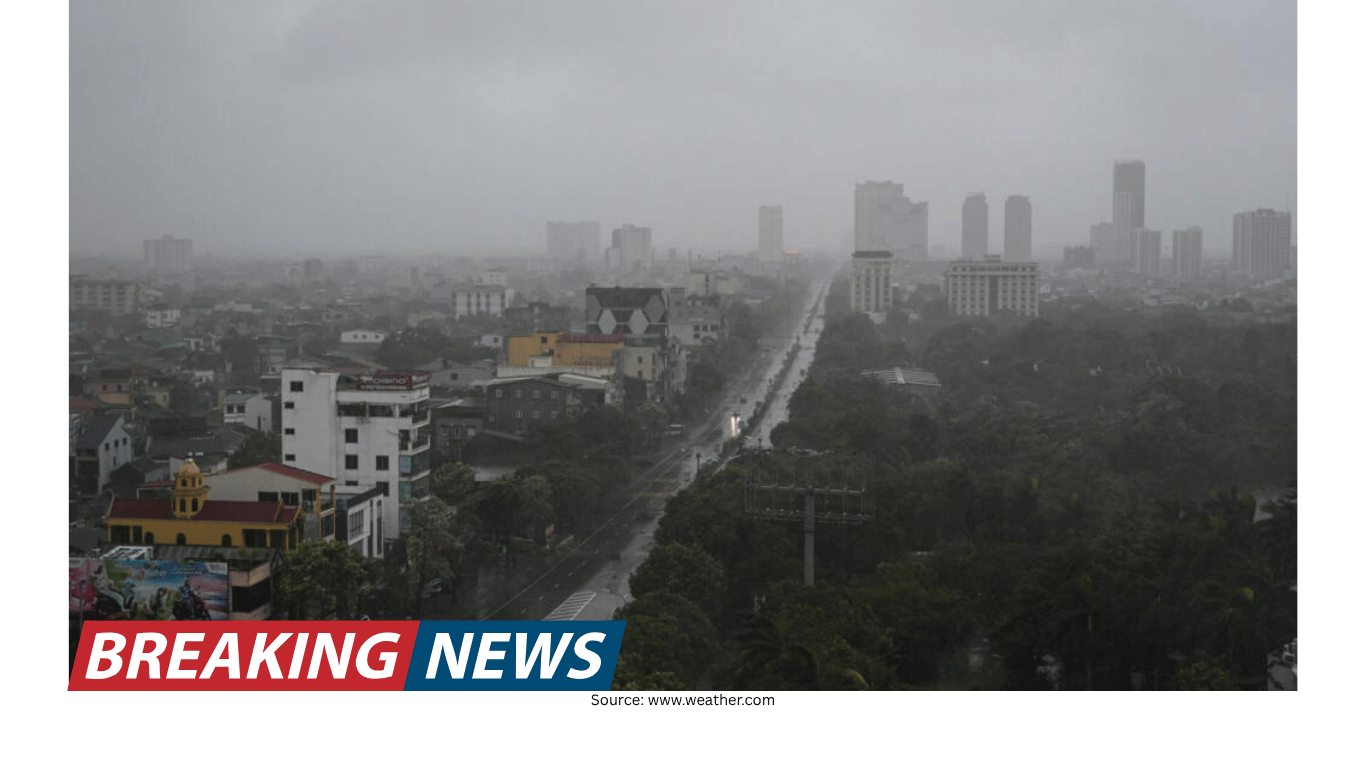
A sudden highway hazard during a violent storm
A violent storm in Vietnam’s Ho Chi Minh City turned an ordinary stretch of highway into a dangerous zone when metal sheets were blown into traffic. The storm’s powerful winds and heavy rain created chaotic conditions, forcing drivers to make split-second decisions as debris moved unpredictably across the roadway.
In severe weather, the most visible threat is often the rain itself—reduced visibility, slick surfaces, and the stress of navigating through downpours. But the scene described in Ho Chi Minh City underscores another risk that can be just as immediate: wind-driven objects that become airborne and enter travel lanes without warning.
What happened: metal sheets in motion
According to the account, metal sheets were sent flying across a highway during the storm. This detail matters because large, flat pieces of material can behave erratically in strong winds. When wind gusts pick up objects like sheets of metal, they can lift, slide, tumble, or suddenly change direction, making them difficult for drivers to anticipate—even at lower speeds.
The incident created “dangerous road conditions,” as drivers scrambled to avoid the debris. That scramble is a key part of the risk: when multiple vehicles react at the same time—braking hard, swerving, or changing lanes—secondary hazards can emerge quickly. Even without a direct impact from debris, the urgent maneuvers drivers may attempt can lead to loss of control, near misses, or collisions.
Why high winds can be life-threatening on roads
The moment in Ho Chi Minh City is described as frightening, and the reason is straightforward: high wind hazards can rapidly escalate into life-threatening situations. Wind is not just an atmospheric measurement; in severe storms it becomes a force that can move objects, destabilize vehicles, and reduce a driver’s margin for error.
When strong winds combine with heavy rain, the danger compounds. Rain can limit how far ahead a driver can see, while wind can introduce sudden obstacles. Together, they create a scenario where drivers may have less time to detect a hazard and less traction to respond safely.
How debris changes the nature of “bad driving weather”
Many drivers associate storm danger primarily with wet roads and poor visibility. The Ho Chi Minh City incident highlights a different category of threat: debris that enters the roadway from the surrounding environment. In this case, the debris was metal sheets—large enough to be alarming, and potentially capable of causing significant damage if struck.
What makes wind-blown debris especially dangerous is its unpredictability. A stationary obstacle can sometimes be avoided with careful steering and sufficient stopping distance. A moving obstacle—particularly one propelled by gusts—can appear suddenly and move in ways that are hard to forecast. Drivers may not know whether debris will slide along the pavement, lift into the air again, or veer into another lane.
Driver reactions: why “scrambling” can be risky
The description that drivers “scrambled to avoid the debris” captures a common reality of severe-weather driving: even experienced motorists can be forced into reactive decision-making. In high-stress moments, drivers may brake abruptly or swerve. Those actions can be understandable, but they also carry risks—especially on wet roads where stopping distances increase and traction decreases.
In storm conditions, the safest response is not always the most dramatic one. However, when large debris suddenly appears, drivers may feel they have no alternative. The Ho Chi Minh City event illustrates how quickly severe storms can remove the luxury of calm, planned responses and replace it with urgent, high-stakes choices.
Storm winds and heavy rain: a hazardous combination
The incident is attributed to “powerful storm winds and heavy rain.” Each element can be dangerous on its own. Heavy rain can obscure lane markings, hide standing water, and reduce visibility. Powerful winds can push vehicles sideways, especially taller vehicles, and can also turn unsecured materials into airborne hazards.
Together, wind and rain can create a situation where drivers are simultaneously struggling to see clearly, maintain control, and avoid sudden obstacles. The Ho Chi Minh City storm serves as a reminder that severe weather hazards are often layered rather than isolated.
What this moment reveals about severe storm risk
The account emphasizes that the event “highlights the life-threatening risks of high wind hazards during severe storms.” This is more than a dramatic description; it reflects a practical safety reality. In severe storms, the environment can change rapidly. Objects that are normally harmless—construction materials, roofing components, or other unsecured items—can become dangerous when lifted and carried by wind.
On highways, where speeds are typically higher and traffic volumes can be significant, the consequences of sudden debris can be severe. Even a brief encounter with wind-driven objects can trigger chain reactions: drivers brake, vehicles bunch up, and the risk of a crash increases.
Weather forecasting and public awareness
Accurate weather forecasting plays an important role in helping the public prepare for severe storms. The information provided notes that a major weather forecaster has been recognized for forecast accuracy in a ForecastWatch overview covering 2021–2024, commissioned by a weather company. While forecasting cannot prevent storms, reliable forecasts can support earlier warnings and better decision-making.
For drivers, that decision-making may include delaying travel, choosing alternate routes, or simply being more alert to the possibility of wind-driven hazards. In regions prone to severe storms, the ability to anticipate periods of strong winds and heavy rain can be a critical part of reducing risk.
Why wind hazards deserve more attention
Wind is sometimes treated as a secondary feature of storms, especially when heavy rain is present. But the Ho Chi Minh City incident shows why wind deserves equal attention. Wind can create hazards that are not always obvious until they happen—like metal sheets suddenly crossing a highway.
Unlike steady rain, which may build gradually, strong gusts can arrive abruptly. That suddenness means that conditions can shift from manageable to dangerous in moments. Even if a driver feels comfortable in rain, wind-driven debris introduces a different kind of threat—one that can appear without warning and behave unpredictably.
Key takeaways from the Ho Chi Minh City highway incident
A violent storm in Ho Chi Minh City sent metal sheets flying across a highway, creating immediate danger for motorists.
Drivers scrambled to avoid the debris, illustrating how quickly severe weather can force reactive, high-risk maneuvers.
Powerful storm winds and heavy rain can combine to reduce visibility, limit traction, and introduce moving hazards.
The event underscores that high wind hazards during severe storms can be life-threatening, particularly on high-speed roads.
Accurate forecasting and timely awareness can support better travel decisions when severe storms are expected.
A reminder of how quickly conditions can change
The frightening moment on the highway in Ho Chi Minh City is a stark example of how severe storms can transform everyday environments into dangerous spaces. A highway is designed for predictable movement—vehicles traveling in lanes, drivers expecting consistent road conditions. But when a violent storm introduces high winds and heavy rain, that predictability can disappear. Metal sheets flying across traffic lanes are not a routine hazard, and that is precisely what makes them so dangerous.
Severe storms can bring multiple threats at once, and the combination can overwhelm even cautious drivers. The incident serves as a reminder that during periods of powerful winds and heavy rain, the risks extend beyond water on the road. Wind can mobilize objects, create sudden obstacles, and force drivers into urgent decisions. Recognizing that possibility—before getting behind the wheel—can be an important part of staying safe when storms strike.