Travel Weather Outlook: Storm Delays in the East, Record Warmth in the West, and Showers Elsewhere
Weather and Travel: What to Watch Over the Next Few Days
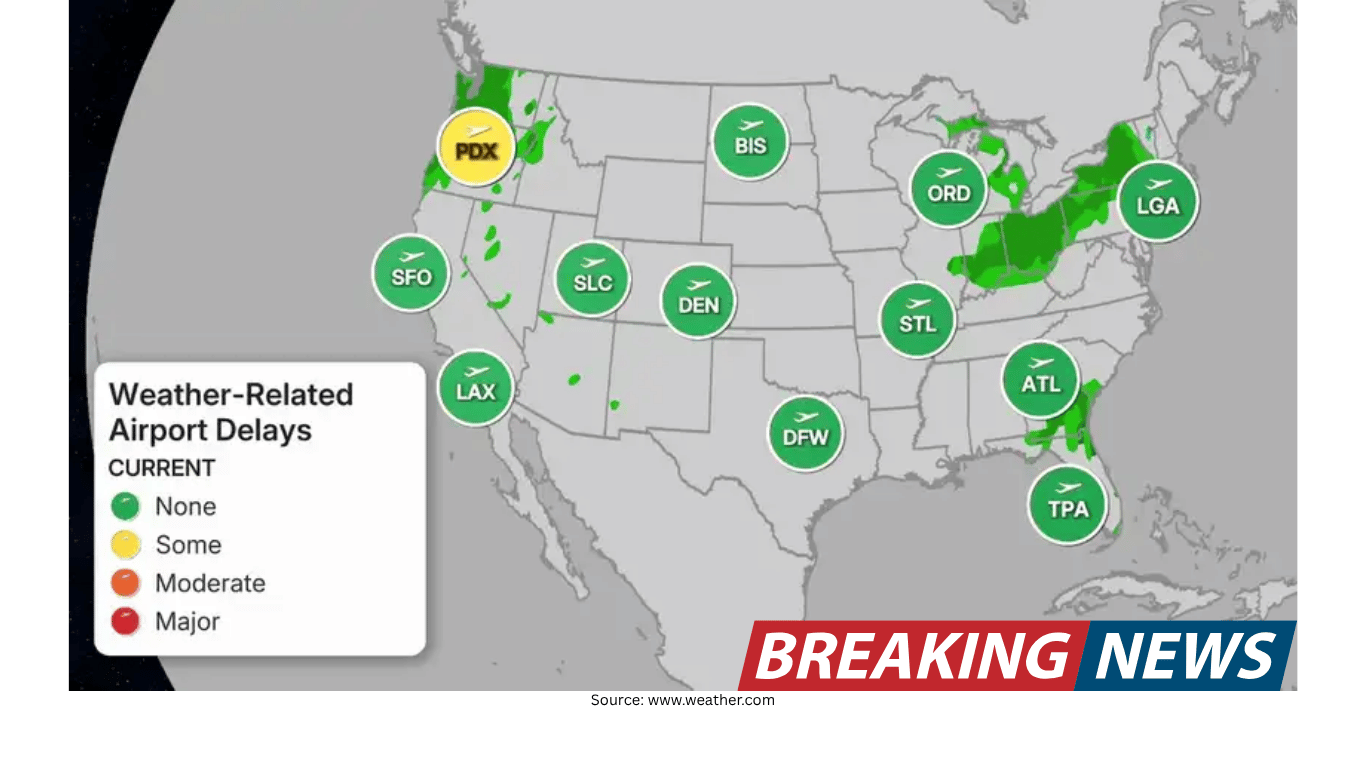
Anyone traveling in the next few days may run into a handful of weather-related complications, with the greatest potential for delays focused on the eastern half of the United States. While the West is expected to stay under record warmth, several other regions will contend with rain, thunderstorms, and persistent showers that can slow down both air travel and road trips.
This kind of split pattern—storms and wet weather in some areas, unusual warmth in others—can create a travel landscape where conditions vary widely from one hub to the next. A smooth trip in one region can coincide with slowdowns elsewhere, particularly when thunderstorms affect major airports or when steady rain leads to slower commutes and reduced visibility on highways.
Below is a region-by-region look at what the forecast suggests, along with practical considerations for travelers trying to stay ahead of changing conditions.
Eastern U.S.: Low Pressure and a Cold Front Bring Rain and Storms
The most notable travel concern in the near-term forecast centers on a low pressure system and its cold front shifting east on Wednesday. As this system moves, it is expected to bring rain and storms from New England to the Carolinas by Wednesday night.
For travelers, the timing matters. Wednesday night is highlighted as a period when weather could interfere with travel plans in the Northeast, particularly around major transportation hubs. If you are flying into or out of busy airports in cities such as New York or Washington, D.C., the forecast indicates there could be weather-related delays during that window.
Thunderstorms are especially disruptive to air travel because they can slow arrivals and departures, require aircraft to route around storm cells, and temporarily halt ground operations. Even when storms are scattered, the ripple effect can spread through a network of flights. For passengers, that may translate into later departures, longer time on the tarmac, or missed connections.
On the ground, rain and storms can also affect road travel. Heavy rain can reduce visibility and lead to slower traffic, while lightning can cause temporary disruptions to outdoor operations. Travelers driving long distances along the East Coast may want to factor in extra time, particularly if their route crosses areas expecting storms by Wednesday night.
Northeast: Showers Linger Into Thursday and Friday
After the midweek push of the cold front, the Northeast is expected to remain unsettled. Showers are forecast to continue Thursday and Friday, which can keep travel conditions less predictable even after the main storm system has moved through.
Persistent showers do not always cause major disruptions, but they can contribute to occasional flight delays. Wet runways, lower ceilings, and reduced visibility can slow airport operations, especially at high-volume airports where schedules are tightly packed. Even minor delays can become more noticeable during peak travel periods.
For commuters and visitors moving around cities, wet conditions can also mean slower travel times. Roads may be slick, and traffic can back up more easily in rainy weather. If you have meetings, tours, or time-sensitive appointments, it can be helpful to build in buffer time for getting from place to place.
Best planning move: If you are traveling in the Northeast Thursday or Friday, consider checking for updated departure and arrival information and allowing extra time for ground transportation.
What this could look like: Occasional delays rather than widespread shutdowns, but enough to affect connections or tight schedules.
Florida: Continued Showers and Storms Through Wednesday
Florida remains another focal point for wet weather. Showers and storms are expected to continue through Wednesday, bringing the potential for heavy downpours and localized disruptions.
For air travelers, the forecast notes that storms could lead to minor airport delays in a few locations. In Florida, storms can develop and move through quickly, but they can still interrupt airport operations when lightning is nearby or when heavy rain reduces visibility.
For those traveling by road—whether commuting locally or driving as part of a vacation—heavy downpours can be a bigger issue than many people anticipate. Intense rain can quickly reduce visibility and increase stopping distances. Even if conditions improve after a storm passes, the on-and-off nature of showers can make it difficult to plan exact arrival times.
For drivers: Be prepared for sudden changes in visibility during heavier downpours.
For vacation travel: Short, weather-related slowdowns can add up if you are moving between destinations or trying to make timed reservations.
Pacific Northwest: Scattered Showers Persist Through the Week
In the Pacific Northwest, the forecast calls for scattered showers that will last through the week. While this is a different type of weather pattern than the thunderstorm concerns in the East and Florida, it can still influence travel comfort and efficiency.
Scattered showers can create intermittent wet roads and variable driving conditions, particularly on routes that include higher terrain or longer stretches between towns. For travelers planning outdoor activities, the stop-and-start nature of showers can also affect timing and comfort, especially if you are relying on extended periods of dry weather.
Although scattered showers are often manageable, they can still contribute to slower traffic and occasional delays, particularly during busier travel times. Travelers may want to keep rain gear accessible and consider flexible scheduling for outdoor plans.
The West: Record Warmth Dominates
While storms and showers affect other regions, record warmth is expected to dominate the West. Warmth on its own is not typically associated with travel delays in the way thunderstorms and widespread rain can be, but it can still shape trip planning.
When temperatures run unusually high, travelers may need to adjust outdoor schedules, hydration plans, and the timing of activities. For visitors who are not acclimated to warmer conditions, the contrast between regions can be notable—especially for those traveling from cooler or wetter areas into the warmer West.
From a logistics standpoint, the key point is that the West’s weather pattern is expected to be very different from the East’s. If your trip spans multiple regions, you may be packing for both warm and wet conditions depending on your itinerary.
Pollen Season: A Non-Storm Factor That Can Affect Plans
Not all travel issues come from storms. The forecast also notes that trees and grasses are in full swing in many areas, which is relevant for anyone sensitive to pollen. Seasonal pollen can influence comfort, energy, and the practicality of outdoor plans, particularly for travelers who will be spending long days outside.
For people with allergies, the impact can range from mild irritation to more significant discomfort that affects sleep and daytime activities. If your trip includes outdoor sightseeing, walking tours, or recreation, it may help to account for pollen as another variable—especially in regions where vegetation is actively producing it.
Outdoor planning consideration: If you are prone to seasonal allergies, it may be useful to build in indoor alternatives or rest breaks during peak outdoor activity days.
Comfort tip: Being prepared for pollen can be as important as being prepared for rain, depending on your sensitivity.
Jet Stream and Flight Times: Why Direction Matters
Another travel factor highlighted in the forecast is the role of the jet stream in flight duration. In general, flights tend to travel faster eastward when they can take advantage of the jet stream, and slower westward when they are flying against strong headwinds within that same band of fast-moving air.
This is a useful reminder for travelers comparing flight times or planning connections. Even when weather at the departure and arrival airports is relatively calm, winds aloft can influence how long a flight takes. Eastbound trips may arrive sooner than expected, while westbound trips can take longer, which may affect layovers and arrival planning.
While this does not necessarily create delays in the same way that thunderstorms do, it can shape the overall travel timeline. If you have a tight schedule on arrival—such as a meeting, event, or onward transportation—knowing that westbound flights can run longer can help you plan more conservatively.
How to Use Forecast Information While Traveling
Forecasts are most helpful when they are translated into practical decisions. The current outlook points to several themes: a higher chance of disruption in the East due to rain and storms, ongoing storm chances in Florida through Wednesday, steady scattered showers in the Pacific Northwest, and record warmth in the West.
Travelers can use this information in a few straightforward ways, even without specialized tools:
Build in time buffers: If you are traveling through the eastern U.S., especially Wednesday night into the end of the week in the Northeast, extra time can help protect against missed connections or late arrivals.
Expect localized slowdowns in Florida: Storms may not shut down an entire region, but they can cause brief disruptions, heavy downpours, and minor airport delays in some locations.
Plan for intermittent wet weather in the Pacific Northwest: Scattered showers can affect road conditions and outdoor activities across multiple days.
Pack for contrasts if crossing regions: A trip that includes both the West and the East may require planning for record warmth in one part of the country and wet, stormy conditions in another.
Account for pollen if you are sensitive: Seasonal pollen can shape how enjoyable outdoor plans feel, even when the weather is otherwise acceptable.
Regional Summary: Where Delays Are Most Likely
Putting the forecast pieces together, the most likely trouble spots for travel disruptions are tied to thunderstorms and steady showers. The eastern half of the country is emphasized as the main region for potential weather-induced travel delays over the next few days, with a low pressure system and cold front delivering rain and storms from New England to the Carolinas by Wednesday night.
The Northeast stands out for the combination of Wednesday night storm potential near major hubs and continued showers into Thursday and Friday, which can lead to occasional flight delays and wet commutes. Florida’s ongoing showers and storms through Wednesday could also create minor airport delays in a few locations and produce heavy downpours for drivers and vacationers.
Meanwhile, the Pacific Northwest faces scattered showers through the week—less about severe disruption and more about persistent wet conditions that can affect daily travel and outdoor plans. In contrast, the West’s record warmth is the dominant theme there, likely shaping comfort and activity planning more than transportation reliability.
Bottom Line for Travelers
Over the next several days, travelers should be prepared for a mix of weather impacts depending on where they are headed. Rain and thunderstorms in the East—especially from New England to the Carolinas by Wednesday night—could trigger delays, including around major Northeast hubs. The Northeast then remains showery into Thursday and Friday, keeping the possibility of occasional flight delays and wet commutes in play.
Florida continues to deal with showers and storms through Wednesday, with the potential for minor airport delays in a few locations and heavy downpours on the roads. The Pacific Northwest is set for scattered showers through the week. Out West, record warmth dominates, presenting a very different set of planning considerations.
Beyond storm systems, pollen is also a factor in many areas as trees and grasses are active, and the jet stream can influence flight times—typically faster eastbound and slower westbound. Taken together, the forecast suggests that a little extra planning and flexibility could make the difference between a smooth trip and a stressful one.