Colorado Residents Dig Out After Late-Season Snowfall Tops Two Feet in Some Areas
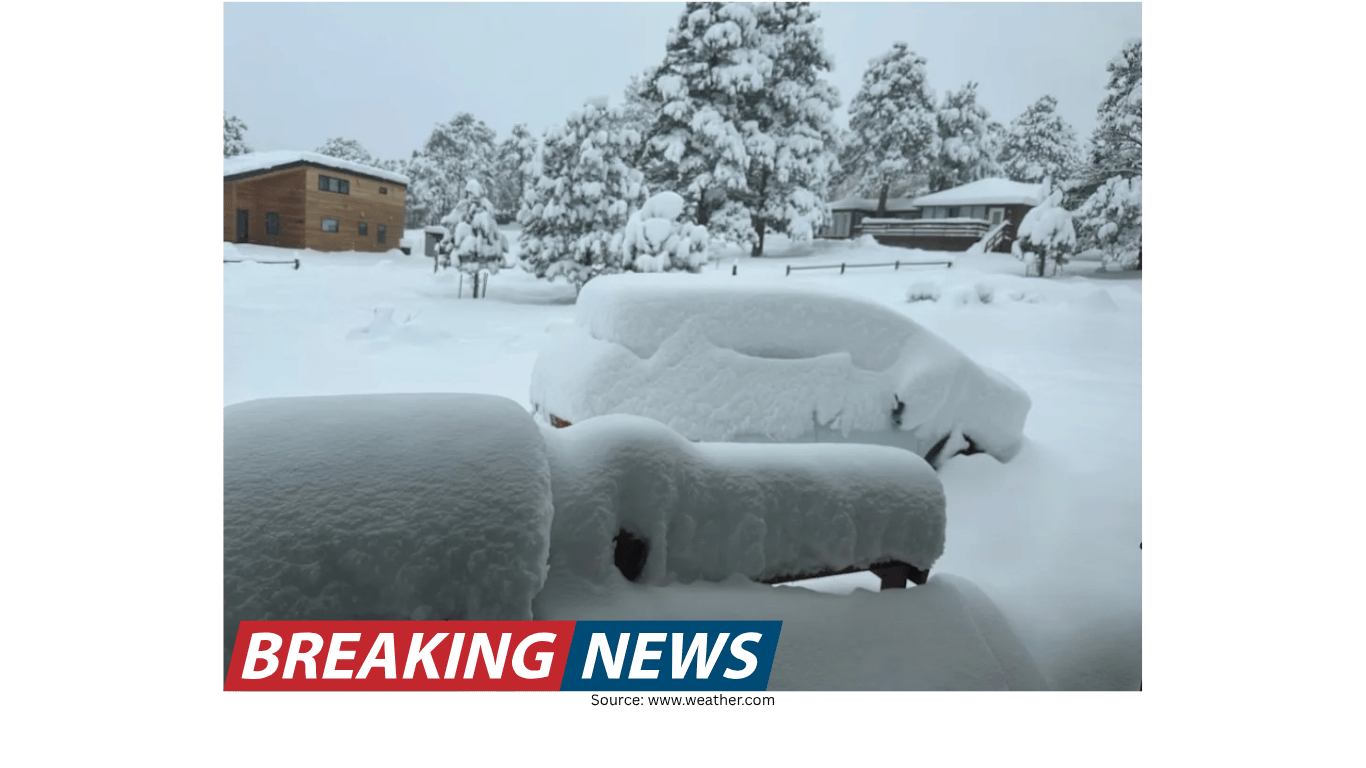
A late-season storm leaves parts of Colorado buried
Colorado residents spent the week digging out after a late-season storm delivered heavy snowfall across parts of the state, with totals reaching more than two feet in some locations. The dramatic accumulation prompted residents to document the aftermath in videos shared online, capturing the scale of the snow and the effort required to clear it.
While late-season snow is not unheard of in Colorado, the reports of over two feet in certain places underscore how quickly conditions can shift. For many residents, the storm was not only a significant weather event in its own right, but also a sharp contrast to what had been described as the driest winter in 40 years.
Residents share videos as communities begin to clear snow
As snowfall piled up, Colorado residents posted videos showing deep drifts and snow-covered surroundings. The shared clips became a snapshot of a community response: people assessing what fell overnight, opening paths through driveways and sidewalks, and dealing with the practical realities of a heavy snow event.
These kinds of resident-recorded videos often highlight details that official measurements can’t fully convey—how high the snow sits against doors, how long it takes to carve out a route to the street, and how quickly a familiar neighborhood can look transformed. In this case, the volume of snow shown in the footage matched the reports that totals exceeded two feet in some areas.
For those affected, digging out is not a single task but a series of steps: clearing access points, maintaining safe walkways, and repeatedly removing snow as it compacts. The videos shared this week reflect that reality, emphasizing both the intensity of the snowfall and the work that follows.
A striking contrast after an unusually dry winter
The heavy snowfall arrived after what had been described as the driest winter in 40 years. That context adds weight to the storm’s impact, not because one event erases a season’s broader conditions, but because it illustrates how weather patterns can deliver abrupt changes even after long stretches of limited precipitation.
When a winter is characterized as exceptionally dry, residents may become accustomed to different day-to-day expectations—less frequent snow removal, fewer disruptions, and a landscape that looks and feels different than in snowier years. A late-season storm that drops more than two feet in some places can therefore feel especially jarring, arriving after a period when many had experienced the season in a markedly different way.
The juxtaposition also serves as a reminder that “dry” does not necessarily mean “snow-free,” and that a single storm can still be severe even if the season as a whole has been unusually low on precipitation. The week’s videos and reports from Colorado show how quickly the narrative can shift from dryness to deep snow.
What “over two feet” of snowfall can mean on the ground
Snowfall totals that exceed two feet are more than a headline figure. On the ground, that depth can affect routine movement and create immediate challenges for households and neighborhoods. Even without detailing specific local impacts beyond what residents shared, the basic implications are clear: deep snow changes how people get in and out of their homes, how they access vehicles, and how long it takes to restore normal routines.
In practical terms, digging out after that kind of accumulation can involve:
Clearing entrances and exits so doors can open safely and pathways remain usable
Removing snow from driveways and sidewalks to regain basic access
Managing repeated clearing where snow settles, compacts, or drifts
Addressing the physical burden of moving heavy, dense snow
The videos shared by residents help communicate these realities in a direct way. A measurement can tell you how much fell; visual documentation shows what that amount looks like in a driveway, along a fence line, or piled at the edge of a shoveled path.
Late-season snow as a reminder of Colorado’s variability
Colorado’s weather is often discussed in terms of variability, and this event fits that theme. A late-season storm that produces heavy totals—over two feet in some places—illustrates how conditions can remain dynamic even when winter is winding down on the calendar.
For residents, this variability can shape how they plan for the season. Even after a winter described as the driest in decades, a significant snowstorm can still arrive and demand immediate attention. The shared videos function as both documentation and a form of community storytelling: a way of saying, in effect, that winter can still make itself felt.
It also highlights a common experience in regions prone to snow: the sense that seasonal transitions are not always linear. A period of dryness can be followed by an intense storm, and the timing can catch people off guard—especially when the expectation is that the worst of winter weather is already behind them.
How people experience a storm beyond the forecast
Weather events are often described through totals and records, but the lived experience is frequently communicated through what people choose to share. In this case, Colorado residents posted videos that showed the depth of snow and the immediate need to dig out. Those clips, shared during the week of the storm, offered a ground-level view of conditions in a way that complements summary descriptions.
Such videos can also serve a practical purpose within communities, helping others understand what to expect nearby. When one area reports more than two feet of snow, residents in surrounding locations may look for visual cues—how deep it is, whether it appears powdery or packed, and how much effort it takes to clear. Even without additional details about specific neighborhoods, the act of sharing provides a sense of collective awareness.
In a state where weather can change quickly, these resident perspectives become part of how a storm is remembered: not only as a statistic, but as a moment when daily routines were interrupted and people had to respond in real time.
A notable weather moment in a season defined by dryness
The week’s heavy snowfall stands out partly because of its timing and partly because of the broader seasonal backdrop. After what had been described as the driest winter in 40 years, the arrival of a storm capable of producing more than two feet of snow in some places is a notable weather moment—one that residents clearly felt was worth documenting.
It is important to distinguish between a single storm and an entire season: one late-season event does not, by itself, define the winter that came before it. Still, the contrast between an exceptionally dry winter and a substantial snowfall event is striking, and it helps explain why the storm drew attention and prompted widespread sharing of videos.
For Coloradans digging out, the focus is immediate and practical: clearing snow, restoring access, and returning to normal. For observers, the event offers a reminder that even in a season marked by dryness, winter conditions can still deliver a powerful final act.
Key takeaways from the week’s snowfall
Colorado residents shared videos showing the aftermath of a late-season storm.
Snowfall reached more than two feet in some places, prompting significant digging out.
The heavy snow followed what had been described as the driest winter in 40 years, underscoring the state’s weather variability.
As communities continue to clear snow and assess the week’s storm, the combination of reported totals and resident-shared footage provides a clear picture of a late-season snowfall that was both intense and memorable.