Mississippi Tornadoes Leave Widespread Destruction Across Central and Southern Communities
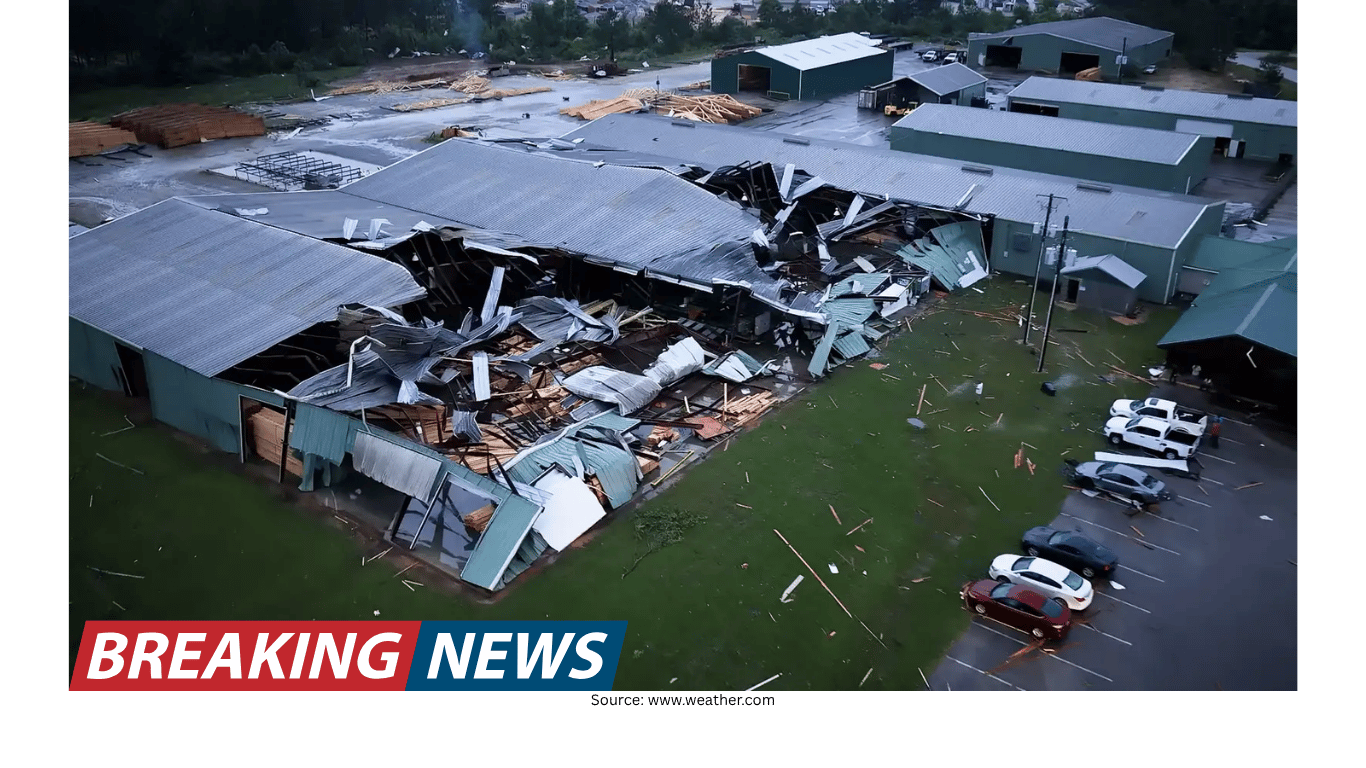
A night of severe weather in Mississippi
Several tornadoes tore through central and southern Mississippi on Wednesday evening, leaving behind scenes of extensive damage and disruption. The storms wrecked hundreds of buildings across affected areas, underscoring how quickly dangerous weather can transform familiar neighborhoods into disaster zones.
Accounts from the ground described destruction that was both immediate and overwhelming. In Purvis, Mississippi, a pastor offered a stark summary of what he saw after a tornado hit: “Just total devastation.” Parts of his church were destroyed, a detail that captures not only the physical toll of the storm but also the emotional impact on a community gathering place.
Purvis: damage to a community landmark
In many towns, churches serve as more than buildings; they are meeting points, sources of support, and symbols of continuity. That is why the damage in Purvis resonated so strongly. The tornado that moved through the area destroyed parts of a church, leaving the pastor to describe the aftermath in plain terms that reflected the scale of loss.
While each tornado has its own path and intensity, the results in Purvis fit a broader pattern seen across the region that evening: buildings damaged or destroyed, debris scattered, and residents facing the hard work of assessing what can be repaired and what is gone.
Multiple tornadoes, one shared outcome: widespread wreckage
The tornado in Purvis was not the only one. Several twisters ripped through central and southern Mississippi, expanding the footprint of damage across multiple communities. When tornadoes occur in clusters or in quick succession, the challenges multiply—more areas need help at once, and more residents are forced into the same urgent tasks of checking on neighbors, documenting damage, and beginning cleanup.
Reports from the storms indicated that hundreds of buildings were wrecked. The word “wrecked” is significant here: it suggests damage severe enough to compromise structures, displace people from homes or businesses, and disrupt normal routines. Even in cases where buildings remain standing, tornado damage can render them unusable until repairs are made.
Video from the aftermath shows damage that “seems neverending”
Incredible video from the affected areas captured the scale of destruction left behind. The footage conveyed a striking impression: the damage seems neverending. That sense of continuity—of one damaged area blending into the next—often becomes one of the defining features of major tornado events, especially when multiple tornadoes affect a region.
Such video can serve several purposes. It documents what happened for those who were not present, helps convey the seriousness of the event, and can provide a clearer picture of the breadth of impact. At the same time, it also highlights how tornado damage is not always confined to a single block or a single building; it can stretch across wide swaths of land, leaving a trail that is visible long after the storm clouds have passed.
What the destruction reveals about tornado impacts
The Mississippi tornadoes offered a reminder of how tornado damage can vary from place to place while still producing a shared sense of shock. One community may see a church partially destroyed; another may see homes, businesses, or other buildings wrecked. When the count reaches into the hundreds of damaged structures, the disaster becomes not just a series of isolated incidents but a regional event with long-term consequences.
Even without detailing every individual site, the overall picture is clear: central and southern Mississippi experienced severe, tornado-driven damage on Wednesday evening. The storms left behind a landscape marked by broken structures and a long list of repairs that will take time to address.
The human side of storm damage
Statistics about wrecked buildings can communicate scale, but individual voices often communicate meaning. The pastor’s description in Purvis—“just total devastation”—stands out because it is both simple and comprehensive. It reflects the moment after a tornado when people step outside, look around, and try to reconcile what they are seeing with what was there before.
When parts of a church are destroyed, it is not only a structural loss. It can also affect scheduled services, community support efforts, and the sense of normalcy that such places provide. In many communities, churches also function as informal hubs during crises, which makes storm damage to such a site feel especially personal.
Why the damage can appear endless
The description of damage that “seems neverending” is consistent with how tornado paths can carve through towns and rural areas alike. Tornadoes can leave behind a continuous corridor of debris and structural damage, and when several tornadoes strike the same region, those corridors can appear to connect into a broader panorama of destruction.
Video can intensify this perception because it often moves from one damaged location to another without the breaks that a map or a written list might provide. The result is a visual narrative that emphasizes how widespread the damage is, and how difficult it can be to find an area untouched.
Key takeaways from the Mississippi event
Several tornadoes struck central and southern Mississippi on Wednesday evening.
Hundreds of buildings were wrecked across the affected areas.
In Purvis, a tornado destroyed parts of a church, prompting a pastor to describe “just total devastation.”
Video from the aftermath shows damage that appears to stretch on, giving the impression it is “neverending.”
A region begins to assess what happened
After tornadoes pass, communities enter a new phase: the careful, often emotional work of assessing damage. With hundreds of buildings affected, that process becomes a major undertaking. It involves identifying the most severely damaged structures, determining where repairs are possible, and beginning the long sequence of steps that follow any large-scale disaster.
The Mississippi tornadoes left behind more than scattered debris. They left a set of practical questions—about shelter, repairs, and recovery—that residents and local leaders must address. And they left a set of emotional realities, visible in the words of those who walked through the wreckage and struggled to describe it.
From storm to story: documenting the aftermath
In the immediate aftermath of tornadoes, documentation matters. The video described as “incredible” provides a record of the destruction and helps convey the scope of what happened across central and southern Mississippi. When damage is widespread, images and footage can also help people understand that the event was not confined to one neighborhood or one town.
At the same time, the most enduring details often come from local accounts. A pastor looking at a damaged church and saying “just total devastation” offers a concise summary of what tornado damage can mean on a personal level: a sudden rupture in the ordinary life of a community.
Looking ahead
The tornadoes that struck Mississippi on Wednesday evening will be remembered not only for the number of buildings wrecked, but also for the vivid images and descriptions that emerged afterward. From Purvis to other parts of central and southern Mississippi, the storms left a clear message in their wake: tornadoes can bring intense, far-reaching destruction in a short period of time.
As communities continue to take stock of the damage, the footage and firsthand accounts provide a shared reference point for understanding the event. The devastation described in Purvis and the seemingly neverending damage shown on video together illustrate the scale of what happened across the region.
Summary
Several tornadoes ripped through central and southern Mississippi on Wednesday evening, wrecking hundreds of buildings and leaving widespread destruction. In Purvis, a pastor described “just total devastation” after a tornado destroyed parts of his church. Video from the aftermath shows damage that appears to go on and on, capturing the breadth of the storm’s impact across the state.