Afghanistan Faces Deadly Floods and Landslides as More Rain Is Forecast
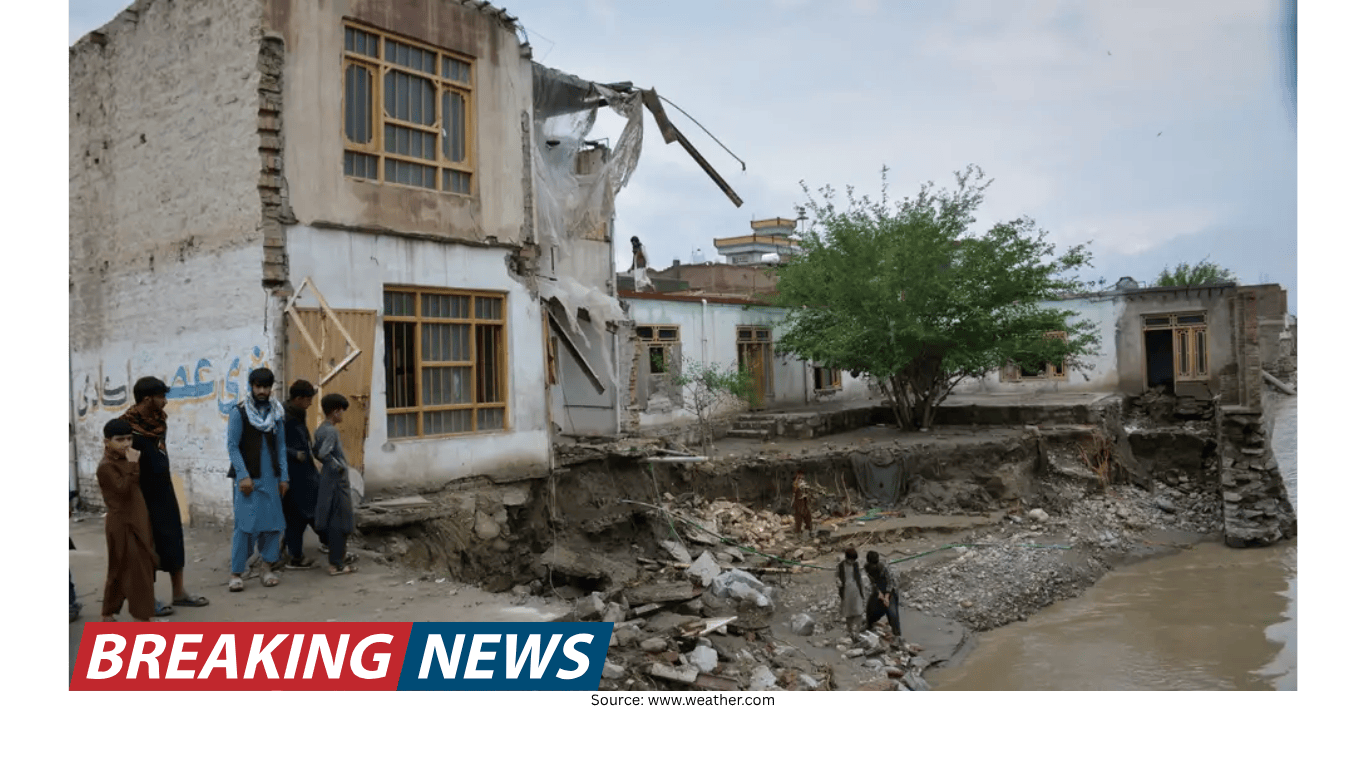
A 10-day stretch of severe weather
Storms across Afghanistan over the past 10 days have brought a destructive mix of heavy rain, widespread flooding, landslides and lightning strikes, killing 77 people and injuring 137, according to the country’s Disaster Management Authority. The agency said the impacts have spread across multiple areas, affecting homes, roads and livelihoods, and leaving thousands of families dealing with losses and disruption.
The authority’s update, issued Saturday, underscores how quickly weather hazards can cascade in mountainous and river-fed terrain. Heavy rain can swell waterways and saturate hillsides, while unstable slopes can give way into landslides and rockfalls. In this episode, officials said the combination of flooding and landslides has damaged infrastructure and cut off key routes, complicating travel and the movement of goods.
Alongside the human toll, the authority reported extensive damage to housing and public works. It said 793 homes have been completely destroyed and another 2,673 have been damaged. In addition, floods and landslides have destroyed 337 kilometers (about 210 miles) of roads, a figure that reflects both direct washouts and damage caused by debris flows and slope failures.
Deaths and injuries reported across the country
The Disaster Management Authority said the recent toll includes 26 people killed over the past 48 hours, indicating that conditions have remained dangerous even late in the 10-day period. The overall figures—77 dead and 137 injured—capture the cumulative impact of flooding, landslides and lightning strikes tied to the storms.
Afghanistan has seen dozens of deaths due to extreme weather so far this year, and officials have noted that the country is highly vulnerable to such events. Earlier in the year, heavy snowfall and flash floods left dozens of people dead across the country, illustrating that multiple types of hazards can strike within the same calendar year.
While the latest report does not break down casualties by province or incident type, the inclusion of lightning strikes alongside floods and landslides points to the range of risks during prolonged storm periods. Lightning can be deadly in open areas and on exposed terrain, and it can also complicate emergency response when storms persist.
More rain in the forecast and warnings to the public
Officials say the danger may not be over. More rain has been forecast for the coming days throughout Afghanistan, and the Disaster Management Authority has warned the public to stay away from river banks and areas prone to flooding. Such advisories are especially important when soils are already saturated and waterways are running high, because additional rainfall can lead to sudden surges.
The authority’s warning reflects a basic but critical safety message during active flood conditions: avoid riverbanks, low-lying areas and known flood channels, and be cautious around fast-moving water. Flooding can occur quickly, and landslides can follow when slopes become unstable after repeated rainfall.
With further rain expected, the risks include renewed flash flooding, additional slope failures and continued disruption on roads that have already been damaged. Even where water levels begin to recede, debris and weakened roadbeds can remain hazardous for travelers.
Damage to homes, livelihoods and essential water systems
Beyond the immediate casualty figures, the Disaster Management Authority said the storms have affected more than 5,800 families overall. For many households, the damage extends beyond shelter to the systems that support daily life and income, including land, water access and local commerce.
Officials reported damage to businesses and agricultural land, as well as water wells and irrigation canals. These impacts can be particularly disruptive in rural areas where farming depends on functioning irrigation networks and reliable water sources. Damage to wells and canals can limit access to water for households and agriculture, while flooded fields and damaged plots can undermine food production and income.
The housing damage reported—793 homes destroyed and 2,673 damaged—also points to a longer recovery period for affected communities. Rebuilding and repairs often require stable access routes, materials and labor, all of which can be constrained when roads are washed out or blocked by debris.
Roads and highways hit, forcing detours and delays
Transport links have been among the most visible disruptions. Floods and landslides have destroyed 337 kilometers of roads, the Disaster Management Authority said, and several highways connecting the capital to the provinces have also been damaged.
Public Works Ministry spokesman Ashraf Haqshinas said Saturday that damage on key routes has forced travelers to take long, circuitous routes to reach Kabul. When major corridors are compromised, the effects ripple outward: travel times increase, costs rise, and access to services can be delayed.
Among the routes affected is the Kabul to Jalalabad highway, described by officials as the main route linking the capital to the Pakistani border and eastern Afghan provinces. Haqshinas said the highway was shut Thursday morning due to a landslide and rockfalls, as well as flooding, and that crews were working to re-open the road.
The Public Works Ministry also warned travelers to be cautious when using roads in affected areas. Even when a road appears passable, flood damage can weaken surfaces and foundations, while ongoing rain can trigger additional rockfalls and landslides without much warning.
Salang Pass closed amid flooding
Flooding has also shut the Salang Pass, a high mountain pass in the Hindu Kush mountain range that connects Kabul to the country’s north, including the major cities of Kunduz and Mazar-e-Sharif. The closure of such a strategic mountain route can significantly affect movement between regions, particularly when alternative roads are longer or more difficult to navigate.
Mountain passes are especially vulnerable during periods of heavy precipitation. Water can run rapidly down steep terrain, eroding roadbeds and carrying debris. In addition, saturated slopes can collapse, creating blockages that are dangerous to clear while storms continue.
Why Afghanistan is repeatedly exposed to deadly flash floods
Afghanistan’s recent losses are part of a broader pattern of severe weather impacts. Snow and heavy rain often trigger flash floods that kill scores, or even hundreds, of people at a time in the country, according to the report. Such events can be particularly deadly when they strike quickly, at night, or in areas where people live and farm close to river channels.
The report notes that in 2024, more than 300 people died in springtime flash floods. This historical context highlights how a single season can bring catastrophic outcomes and how repeated events can strain communities and infrastructure over time.
This year, too, extreme weather has already taken a toll. Earlier in the year, heavy snowfall and flash floods left dozens of people dead across Afghanistan. The combination of winter and spring hazards—snowfall, rain-on-snow conditions in some areas, and intense rain—can create multiple pathways to flooding and landslides.
What officials are emphasizing now
With more rain forecast, the central message from authorities is caution. The Disaster Management Authority has urged people to stay away from river banks and flood-prone areas, while the Public Works Ministry has advised travelers to be careful on roads in affected regions.
At the same time, government crews are working to restore access where possible, including efforts to re-open the Kabul to Jalalabad highway after it was shut by landslides, rockfalls and flooding. Restoring key routes can be essential for emergency response, supply deliveries and the return of routine travel, but such work is often difficult during ongoing storms.
Key figures reported by officials
- 77 people killed over the past 10 days due to flooding, landslides and lightning strikes linked to heavy rain and storms.
- 137 people injured, according to the Disaster Management Authority.
- 26 deaths reported over the past 48 hours within the overall toll.
- 793 homes completely destroyed and 2,673 homes damaged.
- 337 kilometers (about 210 miles) of roads destroyed by floods and landslides.
- More than 5,800 families affected.
- Damage reported to businesses, agricultural land, water wells and irrigation canals.
- Major route disruptions include the Kabul–Jalalabad highway and the Salang Pass.
Outlook as the next round of rain approaches
Afghanistan is facing a difficult period as communities respond to the latest deaths, injuries and infrastructure damage while preparing for additional rainfall in the coming days. The forecasted rain raises the possibility of renewed flooding and further landslides, especially in areas already hit and along routes where slopes have become unstable.
For now, officials are focusing on immediate safety warnings and keeping travelers informed about road conditions. The coming days will be critical, both for preventing additional casualties and for maintaining access to Kabul and other major population centers as crews work to clear debris and repair damaged sections of road.
As the country continues to confront extreme weather this year—following earlier deadly snowfall and flash floods—the latest storm impacts add to the urgent need for caution during active rainfall and for vigilance in areas known to be vulnerable to flooding and landslides.