After Western Alaska Flooding, Food Becomes a Lifeline for Remote Storm Survivors
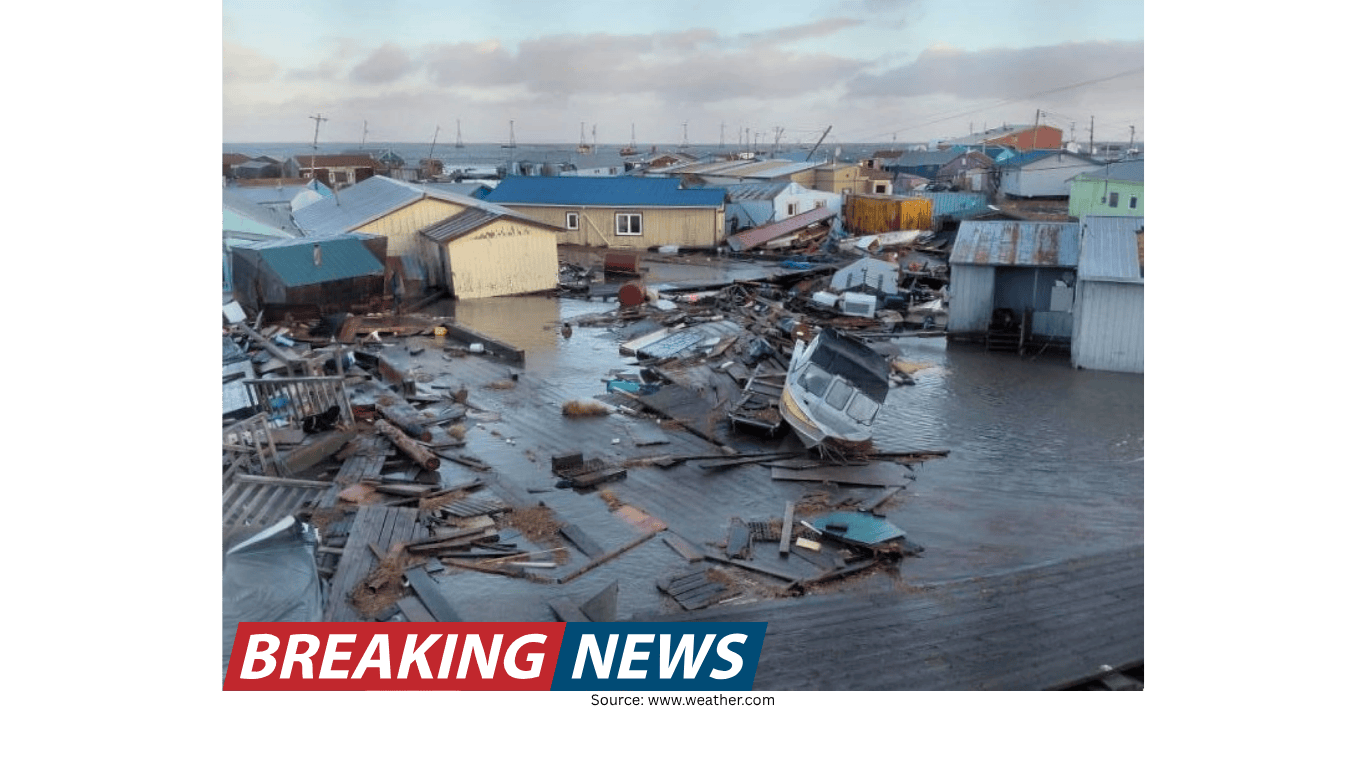
A storm’s aftermath in western Alaska
In early October, villages across western Alaska faced a disaster marked by record flooding and extreme winds. Gusts reached as high as 100 mph, and the combined impacts proved catastrophic for many residents. Hundreds of homes were carried away, leaving widespread damage across communities that are both remote and largely indigenous.
These are places where harsh weather is not a surprise. Residents are accustomed to difficult winters and temperatures that can drop to 40 below zero. Yet the devastation tied to the remnants of Typhoon Halong created a different kind of challenge—one that went beyond enduring cold and wind. It disrupted the basic systems people rely on, including the ability to access food when normal routines and resources were suddenly gone.
Why getting food to survivors was especially difficult
One of the most defining features of these western Alaska communities is their isolation. There are no roads connecting these villages. That reality shapes daily life even in normal times, but it becomes especially consequential in a disaster. When flooding and severe winds destroy homes and destabilize local resources, the absence of road connections can turn food delivery into a daunting logistical task.
In the wake of the storm, the need for food assistance was immediate. But the conditions that made the storm so destructive also complicated response efforts. The remnants of Typhoon Halong did not just damage structures; they created circumstances where reaching survivors and sustaining regular supply lines became far more difficult than in areas with connected infrastructure.
Communities that know harsh winters still faced a new crisis
Western Alaska residents are familiar with winter extremes. Living with severe cold and seasonal hardship is part of the region’s reality. But the impacts described after this event—record flooding, winds up to 100 mph, and homes swept away—presented a challenge that experience alone could not solve.
When hundreds of homes are carried off, the crisis is not only about rebuilding. It is also about meeting immediate needs while people cope with displacement and uncertainty. In such moments, food becomes more than a routine necessity. It becomes a stabilizing force—something tangible that can be provided even when so much else has been disrupted.
A partnership focused on feeding and supporting survivors
In response to the difficulty of getting food to those affected, World Central Kitchen teamed up with a local non-profit, Bean’s Cafe. The effort was aimed at helping storm survivors in these remote villages. The collaboration highlights the role that organized meal support can play after an extreme weather event, especially in places where geography and infrastructure make outside assistance harder to deliver.
The work was not framed only as providing calories or emergency rations. The mission described went further: to not only feed survivors but also help heal their souls. That language underscores a broader understanding of what disaster relief can mean. In the aftermath of a storm that carried away homes, survivors may need more than supplies—they may need reassurance, dignity, and a sense that they have not been forgotten.
Food as relief: more than a meal
In many disasters, food is one of the first urgent needs. But in this situation, the significance of food aid was tied directly to the scale of disruption and the remoteness of the villages. When communities are isolated and there are no roads connecting them, the act of delivering meals becomes a form of connection in itself.
Providing food can also restore a small measure of routine. After record flooding and extreme winds, daily life can become unrecognizable. A meal can be one of the first signals that help has arrived and that recovery is possible. In that sense, feeding survivors can be both practical and deeply emotional—an essential service and a source of comfort at the same time.
What made this event so destructive
The storm impacts described were severe. Record flooding inundated areas across villages, while winds as high as 100 mph contributed to the destruction. The result was not limited to damaged buildings; the storm carried away hundreds of homes. That level of loss suggests a widespread and forceful event, one capable of reshaping entire neighborhoods and displacing large numbers of residents.
The devastation was linked to the remnants of Typhoon Halong. While the communities are accustomed to harsh winters, this event brought a combination of flooding and wind that created extraordinary conditions. In such circumstances, emergency response becomes a race against time—especially when survivors are in remote locations and the usual pathways for supplies are constrained.
Remote geography and the reality of response
Disaster response is never one-size-fits-all. In western Alaska, the lack of road connections between villages is a defining factor that influences how help can arrive. In a storm that caused record flooding and extreme winds, the challenge of moving food and resources becomes even more pronounced.
This is why partnerships and coordination matter. When a local non-profit such as Bean’s Cafe is involved alongside World Central Kitchen, the effort can draw on local knowledge and community ties while also benefiting from broader organizational capacity. The goal, as described, was to reach storm survivors with food—and to do so in a way that supports them emotionally as well as physically.
Key details from the disaster and response
Villages in western Alaska experienced record flooding in early October.
Winds reached as high as 100 mph.
Hundreds of homes were carried away across the affected villages.
The devastation was tied to the remnants of Typhoon Halong.
These communities are remote and largely indigenous, with no roads connecting the villages.
Residents are accustomed to harsh winters and temperatures that can reach 40 below zero.
World Central Kitchen partnered with the local non-profit Bean’s Cafe to feed storm survivors and provide comfort.
Healing in the wake of loss
When hundreds of homes are carried away, the impact is personal and communal at once. People lose shelter, belongings, and the sense of security that comes from familiar surroundings. In remote villages, those losses can feel even more acute because options for temporary relocation or quick rebuilding may be limited by distance and access.
Within that context, the described food relief effort took on a broader meaning. The stated aim was not only to feed survivors but to help heal their souls. That phrase points to the emotional weight of the disaster and the need for care that recognizes trauma, exhaustion, and grief. A warm meal, delivered reliably, can be a form of respect and solidarity—an acknowledgment of what survivors have endured.
What this story shows about weather impacts and community support
This event in western Alaska illustrates how extreme weather can become a humanitarian crisis, particularly in places where geography limits access. Record flooding and winds up to 100 mph did more than damage property; they swept away hundreds of homes and created immediate needs that were difficult to meet.
It also shows how response efforts can combine practical assistance with human support. The partnership between World Central Kitchen and Bean’s Cafe focused on feeding people, but it was also framed as a way to help survivors begin to recover emotionally. In the aftermath of a storm, that combination—meeting basic needs while offering comfort—can be a crucial part of the path forward.
A continuing challenge for remote communities
Remote and largely indigenous villages in western Alaska live with a unique set of realities. Harsh winters and extreme cold are part of the environment, and residents have long adapted to those conditions. But when a storm brings record flooding and destructive winds, preparedness and resilience meet limits that no community can fully control.
The aftermath described here underscores the importance of being able to deliver essential support even when infrastructure is limited. With no roads connecting the villages, food assistance becomes both more complicated and more vital. The response effort described—built through collaboration—highlights one way communities and organizations can work together to reach survivors in the hardest moments.