Flooding and Ice Damage Homes in Northern Michigan as Record Conditions Hit Cheboygan County
A rare and devastating combination
In northern Michigan’s Cheboygan County, residents are confronting a scene that many describe as difficult to process: widespread flooding that has swamped homes and vacation cabins, paired with ice damage so severe it appears almost unreal. The images circulating from the area have been described as heartbreaking and nearly unbelievable, not only because of the scale of the water but because of what happened next along Black Lake.
Flooding is destructive on its own, but the reports from Black Lake add a second layer of shock. Ice sheets have pierced through homes, leaving structures visibly damaged and, in some cases, effectively destroyed. For families who expected springtime water issues at most, the sight of ice forcing its way into buildings has turned an already stressful situation into an emotional and logistical crisis.
Cheboygan County flooding swamps homes and cabins
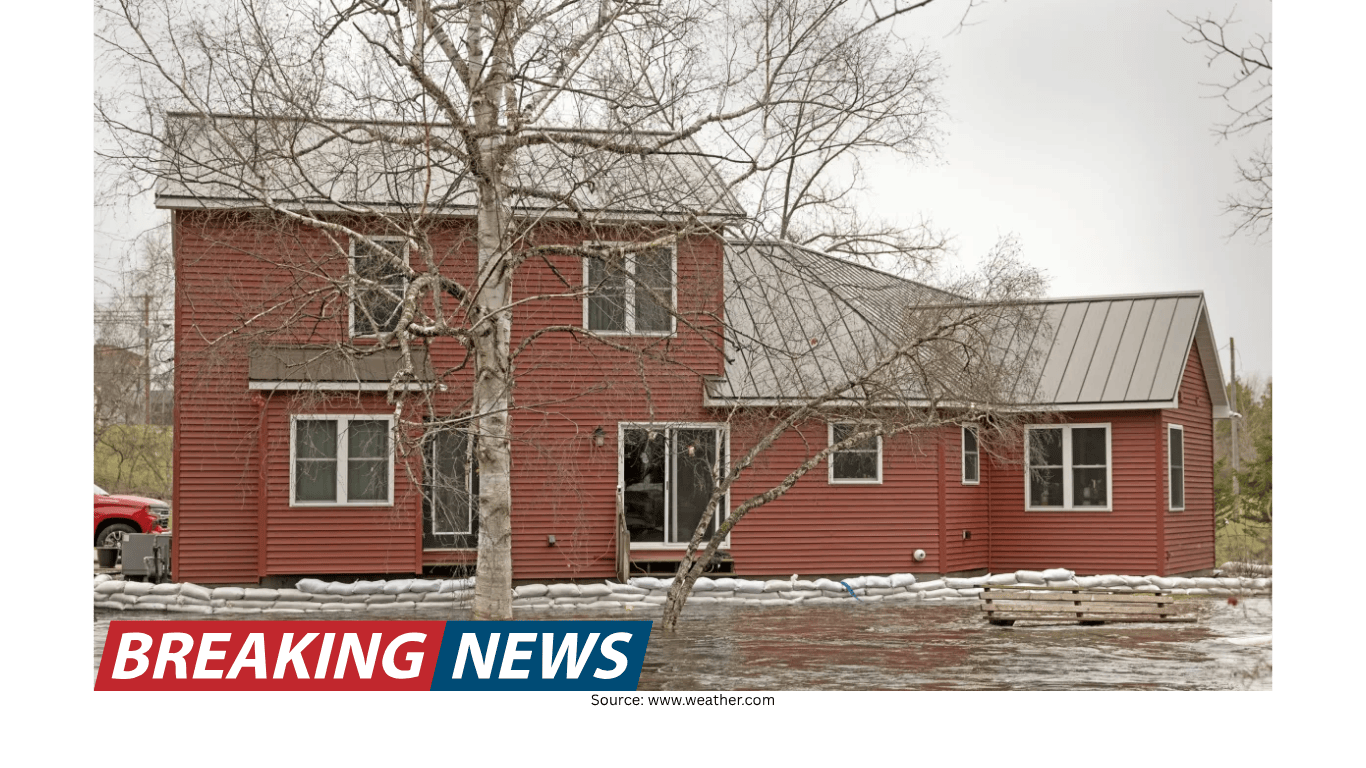
Across Cheboygan County, floodwaters have moved into residential areas and locations that include vacation cabins. When flooding reaches living spaces, the damage is not limited to what can be seen on the surface. Water can compromise flooring, walls, insulation, and personal belongings, and it can make properties unsafe to enter or inhabit. The description from the area is clear: homes and cabins have been swamped, indicating water levels high enough to inundate structures rather than merely pool around them.
The impact on vacation properties can be particularly disorienting for owners who are not on site. Cabins are often visited seasonally, and damage may not be discovered immediately. In this case, however, the scale of the event and the amount of imagery being shared has made the situation visible far beyond the immediate community.
Even within a single county, flooding can be uneven—affecting some neighborhoods and shorelines more severely than others. But the reports emphasize that the flooding is not isolated to one small pocket; it is described broadly as occurring “across Cheboygan County,” signaling a widespread event rather than a localized nuisance.
Along Black Lake, ice becomes a destructive force
While floodwater damage is a familiar hazard in many regions, the destruction reported along Black Lake stands out as especially unusual. Ice sheets have pierced through homes, a detail that underscores the force involved. Ice is often associated with winter travel hazards or shoreline pressure, but in this instance it is described as physically penetrating structures.
The word “surreal” has been used to characterize the damage along the lake, and that description reflects more than shock—it suggests the damage does not match what many people expect from a typical flood event. Instead of water alone, the area is dealing with a combination of flooding and violent ice movement capable of tearing into buildings.
This kind of damage can be visually striking: large slabs of ice can appear like debris fields, and when they press into or through a structure, the result can look less like water damage and more like impact damage. The reported images show the aftermath of ice that did not simply pile up at the shoreline but instead intruded into the built environment.
Families learn about destruction through social media
One of the most painful details emerging from Cheboygan County is how some families are learning about the fate of their properties. According to the reports, families are finding out that their homes have been obliterated over social media. That detail speaks to both the speed of information-sharing and the reality that not everyone can be physically present when a disaster unfolds.
For homeowners who live elsewhere or who cannot safely reach their property during flooding, social media can become an unplanned notification system. Friends, neighbors, or local observers may post photos and videos as events unfold, and those images can reach owners quickly—sometimes before any official assessment or personal visit is possible.
Learning about catastrophic damage in this way can be especially jarring. Instead of receiving news gradually—through a phone call, a visit, or an inspection—people may see dramatic images without context, forcing them to process loss in real time through a screen. In situations where entire homes are described as “obliterated,” the emotional impact can be immediate and profound.
Record weather conditions tied to the flooding
The flooding and ice damage are linked in the reporting to record weather conditions. While the available information does not detail the specific records involved, the reference to “record weather” signals that the conditions driving the flooding are outside the range of what is typical for the area at this time. Record conditions can intensify hazards by pushing water levels higher, accelerating melt or runoff, or creating rapid changes that stress shorelines and structures.
When weather reaches record territory, communities can face events that exceed historical experience and, in some cases, exceed what infrastructure and shoreline development were prepared to handle. The result can be a cascade of impacts: water moves into places it does not usually reach, and the forces acting on lakes and shorelines can behave in unexpected ways.
The combination described in Cheboygan County—flooding that swamps buildings and ice that pierces homes—highlights how multiple hazards can overlap. Even if each element is known in isolation, their intersection can create outcomes that feel unprecedented to residents.
What the images show—and why they resonate
The coverage emphasizes that the images are not only dramatic but emotionally difficult to watch. That response is understandable: flooding is often associated with soaked belongings and waterlines on walls, but the addition of ice-driven destruction changes the visual narrative. Ice sheets piercing homes suggests a level of physical force that many people do not associate with lakeside living.
In disasters, images can shape public understanding quickly. Photos and videos can convey scale, speed, and severity in ways that written descriptions alone cannot. In this case, the imagery has been described as both heartbreaking and almost unbelievable, indicating that viewers may struggle to reconcile what they are seeing with their expectations of how flooding typically unfolds.
At the same time, the widespread sharing of these visuals can serve a practical purpose: it can alert others in the region to the seriousness of the situation and underscore that the event is not merely a high-water inconvenience. It is, by the descriptions provided, a destructive episode affecting real homes and real families.
Why lakefront communities can be especially vulnerable
The destruction along Black Lake draws attention to a broader reality for lakefront communities: shorelines are dynamic environments. Homes and cabins near the water can be exposed not just to rising levels but also to the movement of materials pushed by wind, currents, or shifting ice. When water levels rise and ice is present, the shoreline can become a zone of intense mechanical pressure.
In many places, people think of ice as a static surface—something that freezes and stays in place until it melts. But ice can move, break into sheets, and stack or shove against shorelines. When that movement meets buildings, docks, or seawalls, the results can be destructive. The reports from Black Lake, where ice sheets have pierced through homes, demonstrate how severe that interaction can become under the wrong conditions.
Vacation cabins can be particularly exposed because they are often built close to the water to maximize views and access. That proximity, while desirable in calm seasons, can increase vulnerability during extreme events. When record weather contributes to flooding, the margin for safety can shrink quickly.
The human toll behind the damage
Beyond the physical destruction, the situation in Cheboygan County carries a heavy human toll. Homes are more than structures; they hold personal history, family gatherings, and everyday routines. When flooding swamps a home, it can displace residents and disrupt lives. When a home is described as obliterated, the loss can feel total.
The report that families are discovering the destruction via social media adds another layer of hardship. It suggests separation—people away from their property, possibly unable to reach it, learning about catastrophic damage indirectly. This is a modern feature of disasters: information travels instantly, but the ability to respond physically may lag behind due to safety concerns, road conditions, or distance.
Even for those nearby, seeing familiar places transformed by water and ice can be destabilizing. Communities often rely on shared landmarks—shorelines, cabins, neighborhoods—and when those are damaged, the sense of normalcy can be difficult to regain.
Key details reported from the area
- Flooding across Cheboygan County, Michigan has swamped homes and vacation cabins.
- Along Black Lake, the destruction has been described as surreal.
- Ice sheets have pierced through homes.
- Some families are learning that their homes have been obliterated through social media.
- The flooding is linked to record weather conditions.
What this event illustrates about extreme conditions
The Cheboygan County flooding and Black Lake ice damage illustrate how extreme conditions can produce compound impacts. Flooding alone can overwhelm buildings, roads, and shorelines. Ice alone can create hazards on lakes and near the water’s edge. Together—especially under record weather conditions—the results can be far more severe than many residents anticipate.
This is also a reminder that the most striking damage is not always the most common kind. Many people understand flooding as water entering basements or covering roads. Fewer imagine ice sheets piercing through homes. Yet the reports from Black Lake indicate that this is precisely what occurred, turning a flood story into a broader account of unusual and forceful natural impacts.
As communities assess damage and share information, the images and accounts from northern Michigan may remain a reference point for how quickly conditions can escalate when water and ice interact. The event is being documented not just through traditional reporting but through the posts and videos that families and neighbors are using to understand what has happened.
Looking ahead: documenting damage amid ongoing uncertainty
In the aftermath of any severe flooding, one of the first challenges is establishing the extent of the damage. In Cheboygan County, that task is complicated by the nature of what has been reported: not only water intrusion, but structural destruction from ice. When buildings are swamped, the damage can be extensive but sometimes repairable. When ice has pierced through homes, the path forward may be less clear and the losses may be greater.
For affected families, the immediate focus often becomes understanding what is still standing, what can be salvaged, and what comes next. The fact that some are learning of the destruction through social media suggests that on-the-ground access may be limited or delayed for certain owners. As more information becomes available, residents and property owners will continue piecing together the full picture of what this record-weather event has done to their homes, cabins, and shoreline communities.
What is already evident from the descriptions is that the situation is not routine. Floods that swamp homes are serious; ice that pierces through them is extraordinary. Together, they have created a scene in northern Michigan that viewers have described as both heartbreaking and hard to believe—and for those directly affected, a sudden and deeply personal disaster.