Late-April Snowstorm Surprises Moscow, Bringing Down Trees and Disrupting Travel
An unexpected return of winter
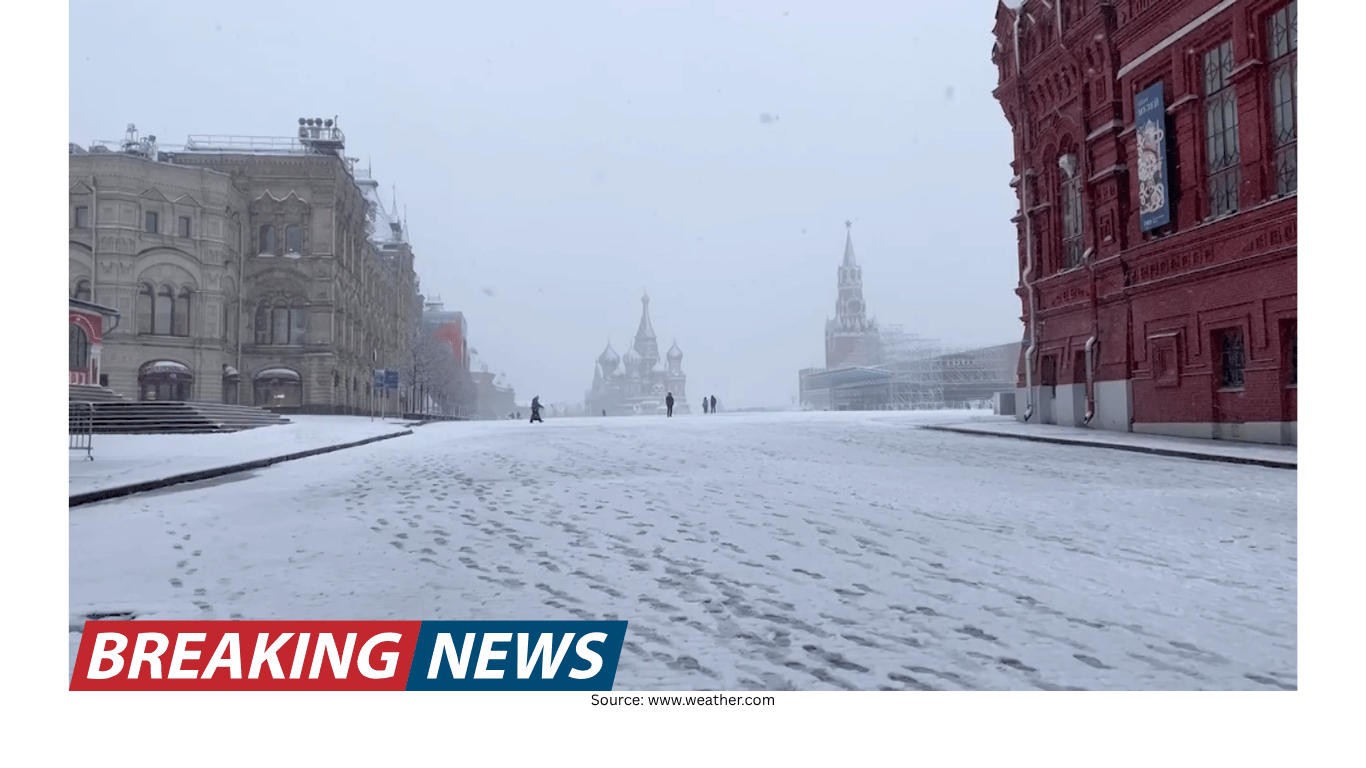
Residents in Moscow began their Monday with a surprise: snow. While winter weather is a familiar part of life in the Russian capital, a heavy snowstorm arriving at the end of April is unusual. The timing alone made the scene stand out—streets and rooftops taking on a wintry look at a point in the calendar when many people are already mentally shifting toward spring.
The snow was not merely a light dusting. The storm delivered heavy, wet snow, a type of precipitation that can be especially disruptive in urban areas. Wet snow tends to cling to surfaces and accumulate quickly, increasing the load on trees, overhead lines, and other structures. In a city environment, that added weight can translate into immediate impacts on daily routines and infrastructure.
Why wet snow can be especially damaging
Not all snow behaves the same way. The storm that hit Moscow brought wet snow, which is typically denser than the dry, powdery snow often associated with colder midwinter conditions. Because it holds more water, it also weighs more per inch of accumulation. That matters when it collects on tree branches and wires.
In practical terms, wet snow can:
- Build up quickly on tree limbs, increasing the chance of branches breaking or entire trees toppling.
- Accumulate on power lines and related equipment, raising the risk of downed lines and related outages.
- Create hazardous conditions in transportation corridors, particularly when paired with wind or rapid accumulation.
In this case, the weight of the wet snow contributed to widespread issues across the city, with trees and power lines coming down in multiple areas. The result was a visible reminder that late-season storms can still carry real consequences, even when they arrive outside the typical winter window.
Trees and power lines brought down across the city
As the snow fell, the storm’s impacts became evident. The wet snow brought down trees and power lines across Moscow, a combination that can create a chain reaction of disruptions. Downed trees can block roads and sidewalks, complicate access for residents, and make travel more difficult. When power lines are involved, the effects can extend further, potentially affecting services and increasing safety concerns in impacted neighborhoods.
Urban tree damage during heavy snow events is not only a question of cleanup; it can also influence mobility and public safety. Fallen branches may obstruct traffic lanes or pedestrian routes, while downed lines can require careful handling by crews and emergency responders. The citywide nature of the impacts described underscores how quickly a heavy, wet snowstorm can change conditions across a large metropolitan area.
Travel disruptions, including grounded flights
The storm also affected travel. Flights were grounded, adding another layer of disruption for residents and visitors. Weather-related flight interruptions can ripple through schedules, affecting not only those departing from or arriving in the city but also connecting flights elsewhere.
Grounded flights during snow events can occur for several reasons, including reduced visibility, runway conditions, and the need for de-icing operations and safety checks. While the specific operational decisions can vary by airport and airline, the overall outcome in this case was clear: the storm’s reach extended beyond streets and neighborhoods and into the region’s transportation network.
A rare end-of-April snowstorm in Moscow
Snow in Moscow is not unusual in general, but a heavy snowstorm at the end of April is described as rare. That rarity is part of what made the event notable for residents who woke up to an unexpectedly wintry scene. Late-season snowfall can feel particularly disruptive because it arrives after many people have adjusted their expectations for the season—changing clothing choices, commuting habits, and plans built around milder weather.
When a storm arrives outside the typical period for heavy snow, it can also catch infrastructure and routines in a different posture than midwinter. Seasonal transitions often mean that people are less prepared for sudden winter conditions, and city systems may be focused on spring operations rather than peak winter response. Even without comparing this event to other years, the description of the storm as rare at this time of year highlights how unusual the timing was.
What residents saw on Monday morning
The immediate experience for many Muscovites was simple: waking up to snow that was not expected for late April. The storm’s effects were visible in the damage it caused—trees and power lines down across the city—and in the broader disruptions that followed. For residents, that can mean navigating altered routes, encountering blocked pathways, and dealing with the practical challenges that come with sudden winter weather.
In addition to the physical impacts, a late-season snowstorm can reshape the pace of a day. Commuters may need extra time, drivers may face slower conditions, and pedestrians may have to navigate slick or obstructed sidewalks. The combination of wet snow and fallen debris can make even short trips more complicated than usual.
Storm impacts captured on video
The full impact of the storm was documented in video coverage showing the effects of the heavy snowfall. Visual evidence can be particularly important during unusual weather events, because it conveys the scale and texture of the conditions—how thick the snow appears, how it clings to trees, and how widespread the accumulation and damage look across different parts of a city.
In this case, the video captured the consequences of the wet snow, including the downed trees and power lines that were reported across Moscow. For viewers, that kind of footage can provide context beyond a written description, illustrating why the event stood out and how quickly conditions changed.
How late-season snow can disrupt a major city
Moscow is a large, complex urban environment, and weather disruptions can cascade through multiple systems at once. A heavy, wet snowstorm can create simultaneous stress on:
- Public spaces: parks, sidewalks, and residential streets where snow and debris can accumulate.
- Utilities: overhead power lines and related equipment that can be affected when trees fall or when snow builds up.
- Transportation: roads and airports, where safety requirements can slow or halt normal operations.
Even when snowfall is a familiar phenomenon, the combination of unusual timing and heavy, wet accumulation can amplify the disruption. The reported grounding of flights is one of the clearest indicators that the storm was not just a minor inconvenience but a weather event significant enough to alter normal travel.
A reminder that spring can still bring winter weather
For many places with long winters, spring can arrive unevenly. A late-April snowstorm in Moscow serves as a reminder that seasonal boundaries on the calendar do not always align neatly with conditions outside. While the storm was described as rare for the end of April, it demonstrates how winter weather can reappear even as the season changes.
In practical terms, events like this highlight the importance of staying aware of forecasts and being prepared for rapid shifts in conditions, particularly during transitional months. In Moscow’s case, the storm’s heavy, wet snow was enough to bring down trees and power lines across the city and disrupt air travel, underscoring how impactful a single late-season system can be.
What stood out about this event
Several elements made the Moscow snowstorm notable:
- The timing: a heavy snowstorm at the end of April is rare in Moscow.
- The type of snow: wet snow is heavier and more likely to cause damage by weighing down trees and lines.
- The consequences: downed trees and power lines across the city, along with grounded flights.
Together, these factors turned what might otherwise be a brief return to winter into a disruptive weather event with clear impacts on infrastructure and travel. For residents, the morning surprise of snow quickly became a day shaped by the realities of heavy accumulation and storm damage.