Mayon Volcano Ash and Pyroclastic Flow Trigger Evacuations in the Philippines
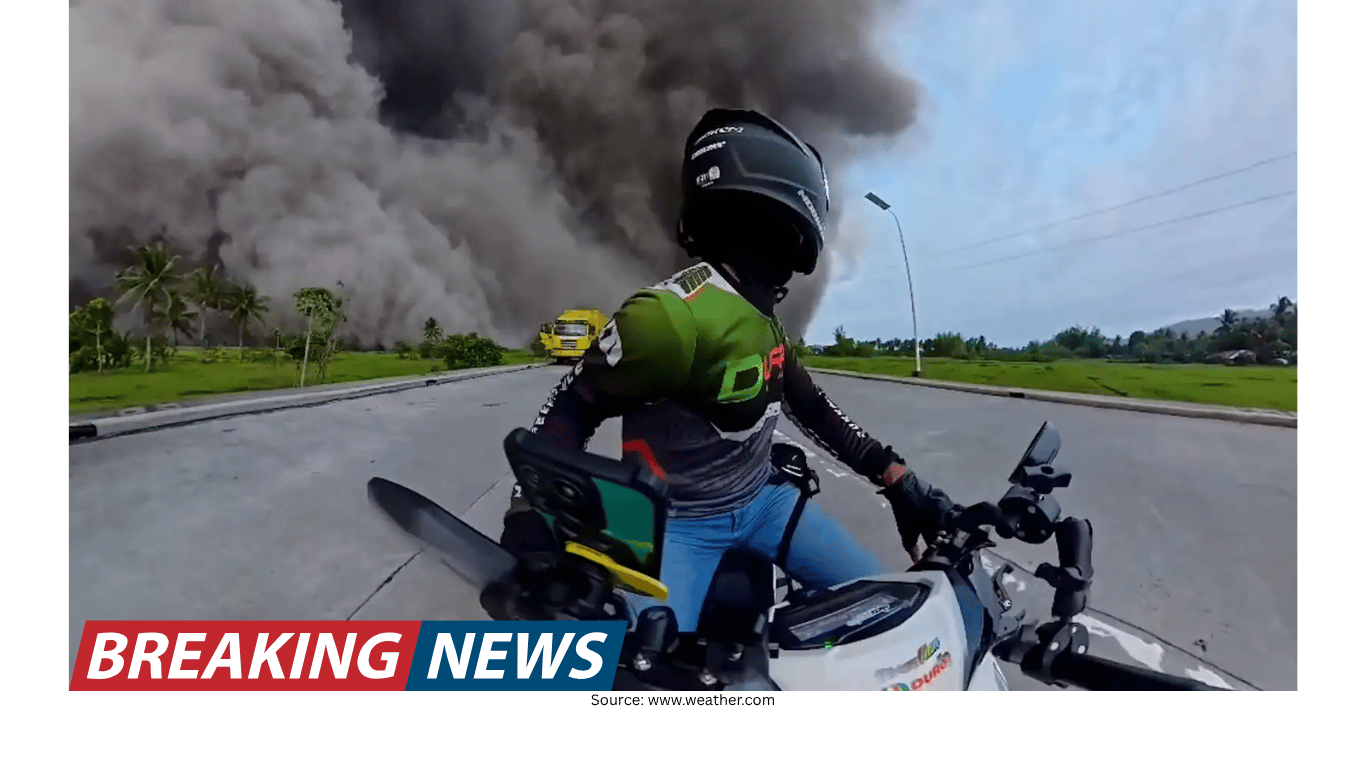
A sudden escalation at one of the Philippines’ most active volcanoes
Communities near the Mayon volcano in the Philippines faced a fast-moving emergency over the weekend after the volcano produced massive amounts of ash and a sudden pyroclastic flow. The event affected daily life across a wide area, with ash blanketing more than 87 villages spanning three towns. Residents were forced to respond quickly as conditions changed, and hundreds of families had to remain away from their homes in the aftermath.
The incident underscores how rapidly volcanic activity can shift from ongoing unrest to an immediate hazard. While Mayon has experienced mild eruptions since January, the weekend’s sudden pyroclastic flow—made up of rocks, ash, and gas—introduced an acute threat that prompted people to flee.
What happened: ashfall and a pyroclastic flow
According to the extracted report, the Mayon volcano spewed massive amounts of ash, producing widespread ashfall that blanketed more than 87 villages across three towns. Ashfall of this scale can disrupt transportation, reduce visibility, and affect outdoor activity, even at locations that are not immediately adjacent to the volcano’s slopes.
More urgently, a sudden pyroclastic flow occurred. Pyroclastic flows are dangerous volcanic events because they involve a dense, fast-moving mixture of materials. In this case, the flow consisted of rocks, ash, and gas. The report notes that the sudden nature of the flow sent people fleeing, reflecting the immediate danger residents perceived as the situation unfolded.
Evacuations and displacement
The ashfall and pyroclastic flow triggered evacuations and displacement. The report states that hundreds of families had to stay away from their homes. While the extracted information does not specify the duration of displacement, it makes clear that the impact was significant enough to prevent many residents from returning home right away.
For families affected by volcanic hazards, leaving home can be an abrupt and stressful decision, often made under time pressure. The weekend event illustrates that even amid a period described as “mild eruptions since January,” sudden changes can still occur and force rapid movement away from risk areas.
Mayon’s profile: height and activity
Mayon is described as an 8,000-foot volcano and the most active of two dozen volcanoes in the Philippines. This context helps explain why activity at Mayon is closely watched and why changes in its behavior can have major implications for nearby communities.
The report also notes that Mayon has had mild eruptions since January. That ongoing activity forms the backdrop to the weekend escalation, suggesting that the volcano has been in an active phase for months. Even when eruptions are characterized as mild, they can still produce hazardous conditions, particularly if they shift suddenly into more dangerous phenomena such as pyroclastic flows.
Why pyroclastic flows are treated as an immediate danger
The extracted report characterizes the pyroclastic flow as sudden and emphasizes that it was composed of rocks, ash, and gas. This combination is one reason such events are treated as urgent threats: they can be destructive and difficult to outrun once they begin, and they can occur with limited warning compared with slower-developing hazards.
In practical terms, the mention that people fled indicates that residents and local authorities viewed the event as an immediate risk. The report does not detail specific response measures beyond evacuation and displacement, but the scale of the ashfall—covering more than 87 villages—suggests a broad area experienced conditions that could affect health, safety, and daily routines.
Communities affected: more than 87 villages across three towns
A key detail in the report is the geographic reach of the ashfall: more than 87 villages across three towns were blanketed. This points to an impact extending beyond a single community and highlights how volcanic ash can spread widely, depending on conditions at the time of the eruption.
Although the extracted information does not list the names of the towns or villages, the numbers alone indicate a large footprint. For residents across such a wide area, ash can affect everything from commutes and school routines to outdoor work and household tasks. The report’s description of “massive amounts of ash” conveys that the ashfall was not minor or isolated.
Ongoing activity since January
Mayon’s mild eruptions since January are an important part of the timeline included in the extracted content. This detail suggests that the volcano has been active for an extended period, which can influence how communities prepare and how officials communicate risk.
However, the weekend’s pyroclastic flow was described as sudden. That contrast—months of mild eruptions followed by a sudden hazardous flow—illustrates a challenge in volcanic risk management: activity can persist at a lower level for a long time, yet still produce short-notice events that require immediate protective actions.
Volcanic hazards and public safety: what the report indicates
Based strictly on the extracted report, the main hazards were ashfall and a pyroclastic flow of rocks, ash, and gas. The immediate public safety outcome was evacuation and displacement, with hundreds of families staying away from their homes.
The report does not provide additional details on injuries, damage, or the status of infrastructure, and it does not specify how long evacuations were expected to last. It also does not describe official alert levels or the specific boundaries of evacuation zones. What it does make clear is that the event was large enough to affect dozens of villages and to force a significant number of families to leave home.
Mayon within the Philippines’ volcanic landscape
The Philippines is described in the report as having two dozen volcanoes, with Mayon the most active among them. That framing places the weekend event in a broader national context: volcanic activity is not unusual in the country, but Mayon stands out for its frequency of activity.
In that sense, Mayon’s behavior is not only a local concern but also part of a wider pattern of natural hazards that communities and authorities in the Philippines are accustomed to monitoring. The weekend’s ashfall and pyroclastic flow serve as a reminder that even well-known and frequently active volcanoes can still produce sudden developments.
Key facts from the reported event
- Massive amounts of ash were spewed from the Mayon volcano over the weekend.
- Ash blanketed more than 87 villages across three towns.
- A sudden pyroclastic flow of rocks, ash, and gas occurred, prompting people to flee.
- Hundreds of families had to stay away from their homes.
- Mayon is an 8,000-foot volcano and the most active of two dozen volcanoes in the Philippines.
- The volcano has had mild eruptions since January.
What to watch next
The extracted report does not include forward-looking forecasts about Mayon’s activity, nor does it describe any official next steps. Still, the combination of ongoing mild eruptions since January and a sudden pyroclastic flow over the weekend indicates a situation that can evolve quickly.
For nearby residents, the most immediate reality described is displacement: hundreds of families remaining away from home. For communities across the more than 87 villages affected by ashfall, the event’s scale suggests that conditions may take time to return to normal, depending on how activity continues.
Conclusion
The weekend’s activity at the Mayon volcano brought an abrupt escalation to an already active period that has included mild eruptions since January. Massive ash emissions spread across more than 87 villages in three towns, while a sudden pyroclastic flow of rocks, ash, and gas triggered urgent flight and left hundreds of families unable to return home. As the most active of the Philippines’ two dozen volcanoes, Mayon remains a central focus for communities living in its vicinity, where sudden changes can quickly shift from routine monitoring to immediate evacuation and disruption.