Severe Thunderstorms Spawn Tornadoes Across Iowa, Oklahoma and Wisconsin; Union Center Hit Hard
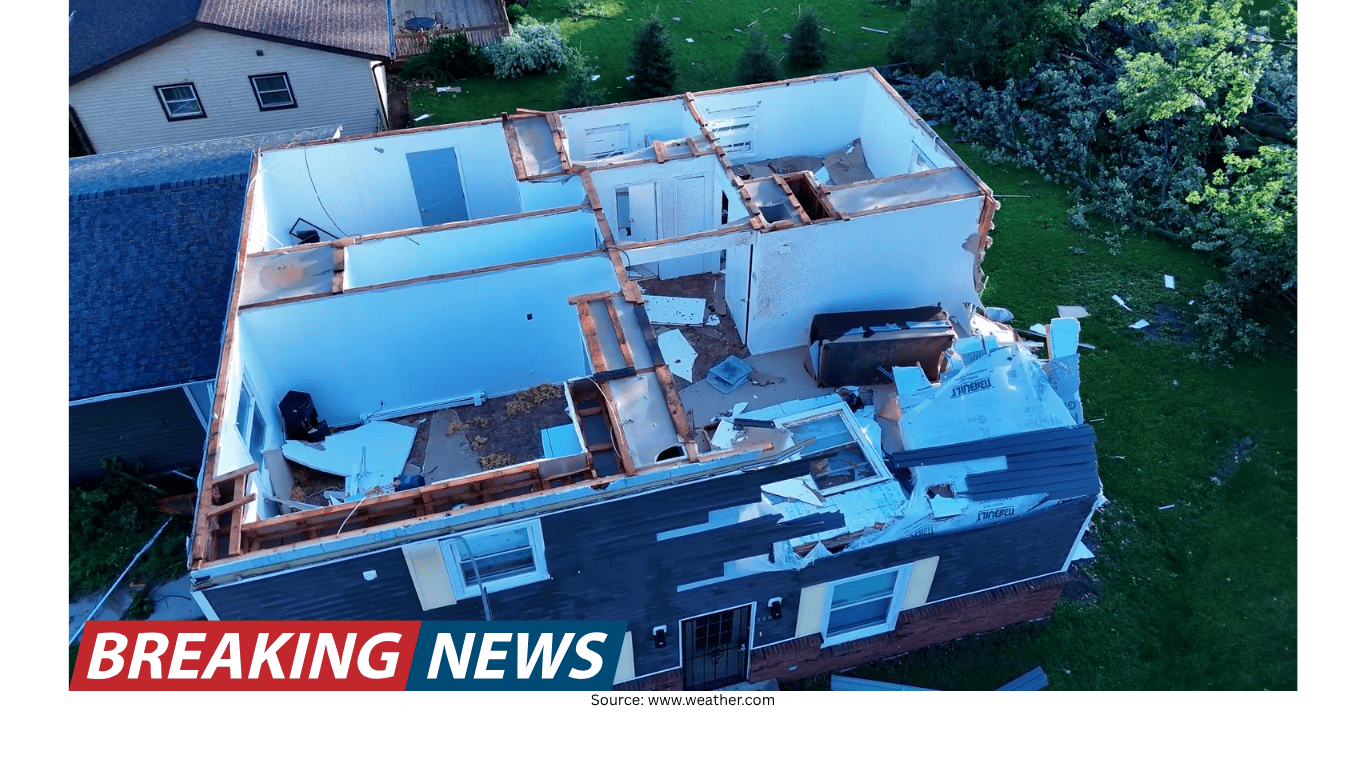
A second day of severe weather brings a renewed tornado threat
A second day of severe thunderstorms delivered another round of dangerous weather across parts of the central United States, with tornadoes reported in Iowa, Oklahoma and Wisconsin. Severe thunderstorm days can unfold in waves, and this event did just that: after an initial day of intense storms, the atmosphere remained capable of producing additional severe thunderstorms, setting the stage for more tornadoes.
When severe weather persists into a second day, communities can face compounded challenges. People who have already dealt with earlier storms may be asked to stay alert again, while emergency responders and local officials may be working through damage assessments even as new storms develop. In this case, the renewed round of severe thunderstorms was not merely a repeat of heavy rain and lightning; it included tornadoes—fast-moving, destructive winds capable of causing life-altering damage in minutes.
Tornadoes reported in Iowa, Oklahoma and Wisconsin
The severe thunderstorm outbreak included tornadoes in multiple states, notably Iowa, Oklahoma and Wisconsin. Multi-state tornado events can occur when severe thunderstorm conditions extend across a broad region, allowing storms to form and intensify in different areas. While each tornado is local in its impacts, the overall pattern can create a wide footprint of risk and disruption.
For residents, the geographic spread of tornado reports underscores how quickly severe weather can shift from one community to another. Even within the same state, the difference between a quiet afternoon and a destructive tornado can come down to where a storm track sets up. The second day of thunderstorms highlighted that reality, with tornadoes affecting different parts of the region rather than being confined to a single corridor.
Union Center, Wisconsin: a powerful tornado tears through town
Among the tornadoes reported, one powerful twister tore through the town of Union Center, Wisconsin. The tornado’s impact was severe: it flattened homes. That description conveys the kind of structural damage associated with intense winds—damage that can erase the boundary between a home’s interior and the outdoors in moments.
In tornado events, the phrase “flattening homes” points to a particularly destructive outcome. Homes are typically built to withstand routine weather, but tornado winds can exceed what many structures are designed to endure. When a tornado hits a town directly, the results can include collapsed walls, removed roofs and debris scattered across properties and roadways. In Union Center, the account indicates that the tornado’s path included residential areas and that the damage was significant enough to be described as homes being flattened.
What “a second day” can mean for communities
Severe weather that continues for more than one day can be especially difficult for communities. The first day can bring initial damage and disruption; the second day can arrive before recovery efforts have time to take hold. Even without adding new details beyond the reported event, it is clear that the second day of severe thunderstorms brought additional hazards, including tornadoes, and that at least one community—Union Center—experienced major destruction.
For people in affected areas, repeated severe weather can also complicate decision-making. Some may be cleaning up from earlier storms or dealing with power interruptions when new warnings and watches are issued. Others may be traveling or working outdoors, only to find conditions deteriorating quickly. The second day of storms in Iowa, Oklahoma and Wisconsin illustrates how severe weather episodes can persist, requiring continued vigilance.
The role of video in documenting tornado damage
Video can play a key role in conveying the reality of tornado damage. When a tornado strikes, the destruction can be difficult to grasp through descriptions alone. Footage from the aftermath—showing the state of neighborhoods, the condition of buildings and the extent of debris—can help people understand what happened and why tornado warnings are taken so seriously.
In events like the Union Center tornado, videos can also provide a record of the storm’s impact at a particular moment in time. While official assessments and longer-term recovery efforts may take days or weeks, video offers immediate context: the scale of damage, the areas hit hardest and the kinds of structures affected. It can also serve as an important communication tool for communities trying to share what they are facing.
How tornadoes can emerge from severe thunderstorms
Tornadoes are one of the most dangerous outcomes associated with severe thunderstorms. Not every severe thunderstorm produces a tornado, but the same storm systems that generate intense lightning, heavy rain and strong straight-line winds can also produce rotating storms capable of spawning tornadoes. The reported event—tornadoes in Iowa, Oklahoma and Wisconsin during a second day of severe thunderstorms—fits within that broader understanding: severe thunderstorms can be a platform for multiple hazards, including tornado formation.
Because tornadoes can develop quickly, the transition from a severe thunderstorm to a tornado-producing storm can be rapid. This is one reason severe weather days require attention even when conditions seem manageable at first. A storm that begins with heavy rain and thunder can intensify, and in some cases, produce a tornado that causes concentrated damage along its path.
What the Union Center damage suggests about tornado intensity
The report that a powerful twister tore through Union Center and flattened homes indicates an event of considerable strength. Tornado damage can vary widely from one storm to another. Some tornadoes may cause limited damage, while others can destroy well-built structures. The description of homes being flattened suggests that the tornado was capable of producing extreme wind damage in the areas it hit.
Even within a single tornado’s path, damage can be uneven. Tornadoes can intensify and weaken as they move, and the effects can differ based on building construction, debris impacts and the precise track of the storm. Still, the account of flattened homes points to a severe outcome for at least part of Union Center, reflecting the destructive potential of tornadoes embedded within severe thunderstorm outbreaks.
Regional impacts when multiple states see tornado reports
When tornadoes are reported in multiple states during the same weather episode, the impacts can ripple across a region. Iowa, Oklahoma and Wisconsin each experienced tornadoes during this second day of severe thunderstorms, highlighting how widespread the severe weather environment was. Such patterns can place a strain on resources as multiple areas may be responding to storm impacts at the same time.
At the individual level, the experience can differ greatly from one location to another. Some communities may see storms pass nearby with little damage, while others may experience direct hits. Union Center, Wisconsin, is noted as one of the places where the consequences were especially severe, with homes flattened by a powerful tornado.
Key takeaways from the event
- A second day of severe thunderstorms brought a new round of tornadoes.
- Tornadoes were reported in Iowa, Oklahoma and Wisconsin.
- A powerful tornado tore through Union Center, Wisconsin, flattening homes.
- Video documentation helped capture and communicate the extent of damage.
Staying focused on safety during multi-day severe weather
Multi-day severe weather episodes can test a community’s readiness and resilience. The second day of severe thunderstorms described here produced tornadoes in several states and included a particularly damaging tornado in Union Center, Wisconsin. While the broader weather pattern affected a wide area, the impacts were felt most intensely where tornadoes touched down and caused direct damage.
The destruction in Union Center—where homes were flattened—serves as a reminder of the stakes when tornadoes occur. Severe thunderstorms can bring many hazards, but tornadoes remain among the most dangerous because of how quickly they can form and how concentrated their damage can be. The reported event across Iowa, Oklahoma and Wisconsin reflects that reality, showing how a renewed round of storms can bring renewed risks.
Conclusion
The second day of severe thunderstorms brought another round of tornadoes to parts of Iowa, Oklahoma and Wisconsin, including a powerful tornado that tore through Union Center, Wisconsin, flattening homes. The event underscores how severe weather can persist across multiple days and how tornado impacts can be sudden and severe. As videos and reports document the damage, the focus in affected communities turns to understanding what happened and coping with the immediate aftermath of a destructive storm.