Springs Fire Near Lake Perris Grows to 4,100 Acres as Wind Gusts Hamper Containment Efforts
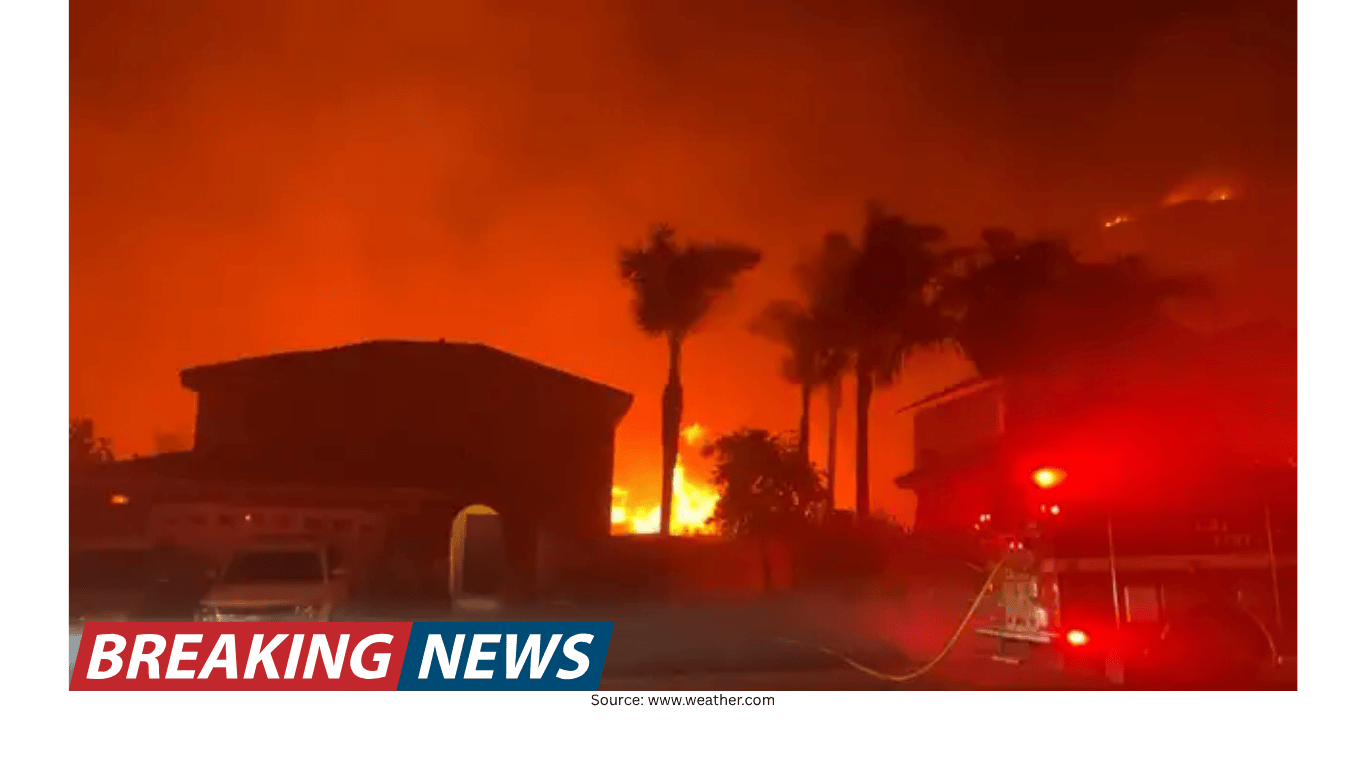
Fire activity expands near Lake Perris
The Springs Fire has burned more than 4,100 acres near Lake Perris in Riverside County, California, after igniting Friday morning. As the fire footprint has increased, the incident has prompted a broad response that includes active firefighting operations, evacuations in areas east of Moreno Valley, and local closures tied to air quality concerns.
Officials reported the fire was 10% contained, underscoring that much of the perimeter remains vulnerable to further spread. In large wildfires, containment percentages can shift as crews secure sections of the fire line or as conditions change. In this case, the low containment figure reflects the challenges crews are facing as they work to limit the fire’s movement and protect nearby communities.
Wind gusts complicate firefighting efforts
One of the most significant factors affecting operations has been the wind. Gusts up to 50 mph have been reported in the area, creating difficult conditions for firefighters. Strong, shifting winds can push flames quickly into new areas, increase spotting potential, and make it harder for crews to establish and hold control lines.
Wind can also influence how and when aircraft are used. Helicopters are among the tools being deployed on this incident, but aerial work is often dependent on safe flying conditions. Even when aircraft can operate, gusty weather can reduce the effectiveness of water drops and complicate coordination between ground and air resources.
The combination of a growing fire footprint and wind-driven behavior helps explain why containment has remained limited. It also highlights why incident managers often prioritize life safety and structure protection when weather conditions reduce opportunities for direct suppression along the fire’s edge.
Evacuations ordered east of Moreno Valley
Evacuations have been issued for areas east of Moreno Valley as the Springs Fire continues to burn near Lake Perris. Evacuation orders are typically implemented when fire activity, terrain, access routes, and weather conditions suggest residents may need to leave quickly to avoid being trapped by smoke, flames, or road closures.
While the broader firefighting effort is focused on containing the blaze, evacuation planning addresses the immediate safety needs of people in potentially affected neighborhoods. The presence of high winds can shorten the time available for safe evacuation, which is why such orders may be issued even when a fire is not yet close to every home within an evacuation zone.
In fast-moving wildfire situations, residents are often urged to follow official instructions promptly. Evacuations can be disruptive, but they are designed to reduce the risk of injury or worse during periods when fire behavior may change rapidly.
Temporary shelter set up at Valley View High School
Valley View High School has been designated as a temporary shelter for evacuees. Temporary shelters are a key part of emergency response, offering a place for people to go when they must leave their homes on short notice. They can also serve as information hubs, where evacuees may receive updates as conditions evolve.
The use of a school as a shelter reflects the need for large indoor spaces that can accommodate groups of people. In events involving smoke and poor air quality, indoor sheltering may provide some relief compared with outdoor conditions, depending on building ventilation and local circumstances.
For affected residents, shelter availability can be essential, particularly for those who may not have alternative lodging options. Emergency shelters are also important for maintaining order and coordination during a crisis, ensuring evacuees have access to basic support while fire crews focus on suppression and protection work.
Moreno Valley College closes main campus due to air quality
Beyond the fire perimeter and evacuation zones, the impacts of the Springs Fire have extended into daily life in the region. Moreno Valley College closed its main campus due to poor air quality. Smoke from wildfires can travel and linger, leading to degraded air conditions that affect public health and normal operations.
Campus closures are typically aimed at reducing exposure to smoke, especially for students, staff, and visitors who would otherwise spend time outdoors moving between buildings. Poor air quality can be especially concerning for individuals with respiratory conditions, but it can also affect the broader population by causing irritation and reducing visibility.
The closure underscores that wildfire impacts are not limited to flames and immediate fire spread. Smoke can create secondary disruptions, prompting institutions to adjust schedules and operations in order to prioritize safety.
More than 250 personnel deployed with engines and helicopters
Firefighting efforts on the Springs Fire involve more than 250 fire personnel. The response includes engines and helicopters, reflecting a coordinated approach that combines ground-based suppression with aerial support where feasible.
Engines are commonly used to support structure protection, patrol roadways, and assist in direct firefighting along accessible portions of a fire line. Helicopters can help by delivering water to hot spots and areas that are difficult to reach by ground crews, and they can support reconnaissance that helps incident leaders understand changes in fire behavior.
The scale of personnel and equipment involved indicates the seriousness of the incident and the operational complexity created by wind gusts and the fire’s size. Large incidents often require careful planning to ensure crews can work safely, maintain situational awareness, and coordinate movements as conditions shift.
Containment remains limited as crews work the perimeter
With the blaze reported at 10% contained, crews are continuing to work on securing the fire’s edges. Containment does not necessarily mean the fire is out; rather, it refers to the portion of the perimeter where control lines are expected to hold. In a wind-driven event, those expectations can be tested repeatedly.
When wind gusts are strong, firefighters may need to focus on opportunities where terrain, access, and fire behavior allow the safest and most effective action. In other areas, they may take a more defensive posture, concentrating on protecting structures and ensuring evacuation routes remain open.
As the Springs Fire continues to burn, the interplay between weather and fire behavior remains a central factor. Wind can accelerate spread, shift the direction of the fire, and create sudden flare-ups. These dynamics can slow progress toward higher containment numbers, even when significant resources are assigned.
No deaths reported; cause remains under investigation
Authorities have reported that no deaths have occurred in connection with the Springs Fire. While the incident continues to pose risks and disruptions, the absence of reported fatalities is a crucial detail as the response proceeds.
The cause of the fire remains under investigation. Determining ignition sources and contributing factors can take time, particularly when a fire is still active and access to the origin area may be limited. Investigations often require careful examination of burn patterns and conditions, and they may not produce immediate public conclusions.
As the investigation continues, the operational priority remains on suppression, protection of communities, and supporting those affected by evacuations and smoke impacts.
Key developments at a glance
The Springs Fire has burned more than 4,100 acres near Lake Perris in Riverside County, California, since igniting Friday morning.
Containment is reported at 10% as wind gusts up to 50 mph complicate firefighting operations.
Evacuations have been issued east of Moreno Valley, and Valley View High School is serving as a temporary shelter.
Moreno Valley College closed its main campus due to poor air quality.
More than 250 fire personnel are battling the flames using engines and helicopters.
The cause remains under investigation, and no deaths have been reported.
What the situation means for residents and the region
The Springs Fire illustrates how quickly conditions can change when a wildfire coincides with strong winds. Even when firefighting resources are substantial, gusty weather can reduce the effectiveness of suppression efforts and increase the need for evacuations and public safety measures.
For residents east of Moreno Valley, the issuance of evacuations and the opening of a temporary shelter at Valley View High School mark a transition from monitoring a nearby incident to taking direct protective action. For the broader community, the closure of Moreno Valley College’s main campus due to poor air quality reflects the wider footprint of wildfire impacts, where smoke can affect daily activities and public institutions.
As crews continue working with engines and helicopters, the immediate focus remains on limiting further spread, improving containment where conditions allow, and supporting community safety. With the cause still under investigation and the fire not yet largely contained, the incident remains an active and evolving situation for Riverside County.