Storms, Energy Strains and Sea-Level Warnings: A Snapshot of Weather-Linked Risks Shaping Travel and Daily Life
Weather and climate signals are colliding with everyday decisions
Weather forecasting is often discussed as a tool for deciding whether to carry an umbrella or reschedule a picnic. But recent developments highlighted across public reporting show how weather events, climate research and energy disruptions can intersect in ways that shape travel, costs and public safety. From a tornado that overwhelmed emergency call centers near a major U.S. city to new research suggesting sea-level rise may have been underestimated, the picture that emerges is less about isolated incidents and more about compounding risks.
For travelers, tourists and residents alike, the practical question is increasingly the same: how do you plan for a world where weather hazards can disrupt transportation, strain emergency response and even influence fuel prices? The answer begins with understanding the signals, the vulnerabilities and the types of disruptions that can follow.
A tornado near Chicago shows how quickly local systems can be overwhelmed
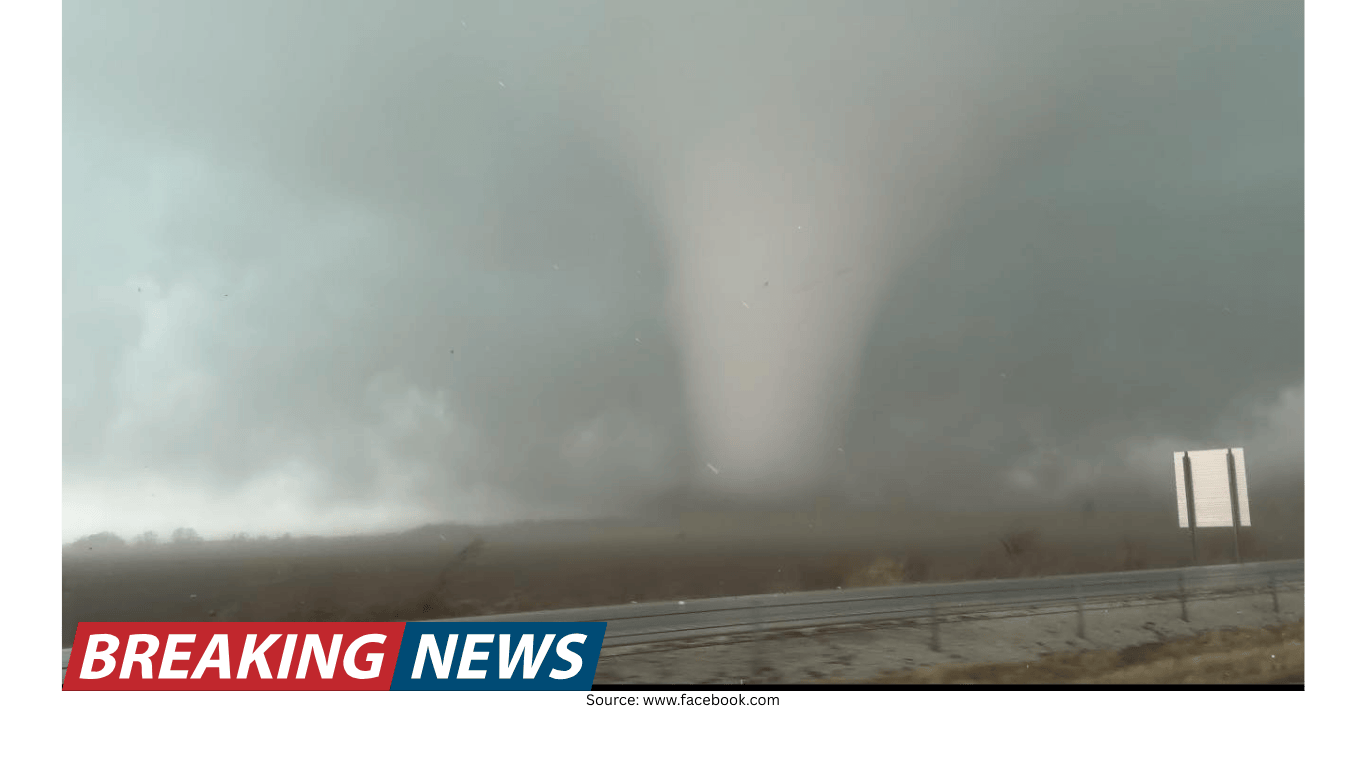
Officials said a large tornado south of Chicago downed trees and power lines and overwhelmed the 911 center with emergency calls. That brief description captures a common pattern in severe weather: the physical damage is only the first impact. The second is the pressure on communications and response networks that are meant to help people in real time.
For anyone traveling to or through a region facing severe weather, the implications are straightforward. When emergency call centers are flooded with calls, it can become harder to reach help quickly. When trees and power lines come down, road closures and power outages can cascade into broader disruptions, including traffic congestion, limited access to fuel stations or services, and delays in restoring normal operations.
Weather forecasting plays a central role here not only in predicting storms but also in supporting decisions about when to move, when to shelter and how to route around damaged areas. The tornado report underscores why forecasts are often paired with preparedness guidance: the goal is to reduce the number of people who need urgent help at the same time, because even well-staffed systems can be stretched thin when a major event hits.
Air travel and ground operations can be vulnerable during disruption
Travel disruptions do not always begin with weather, but weather can make other vulnerabilities harder to manage. In one example, TSA officer call-out rates climbed into double-digit percentages at some airports, including half the officers at Houston's Hobby Airport, straining screening operations and contributing to longer security lines. Staffing challenges are not a forecast issue, yet they become particularly consequential during periods of heavy travel or when weather forces schedule changes that concentrate passenger volume into narrower windows.
Separately, JetBlue flights were grounded by the FAA due to what the agency said was a JetBlue request, and the carrier later said it had resumed operations. While the details of the request are not described here, any grounding episode highlights a reality familiar to travelers: aviation systems are tightly interconnected, and disruptions can ripple quickly.
When severe weather coincides with operational strain, the effects can compound. Delays can lead to crowded terminals, missed connections and longer waits for rebooking. For tourists planning time-sensitive itineraries, this can mean lost reservations and compressed schedules. For families and business travelers, it can mean extended time in transit and higher incidental costs.
Energy shocks can follow geopolitical events, with knock-on effects for travel costs
Weather forecasting is not the only driver of travel planning; fuel prices are another. Gas prices in the U.S. surged roughly 20% since the attack on Iran, according to the reporting referenced here. Even if oil prices ease, they will not return to pre-war levels, according to Patrick De Haan of GasBuddy. These statements focus on energy markets, but they matter for tourism and mobility because fuel costs influence everything from road trip budgets to the price of goods transported by truck.
The Strategic Petroleum Reserve is described as being designed to cushion disruptions to U.S. oil supplies during emergencies. And with oil exports through the Strait of Hormuz halted, the International Energy Agency was meeting with G7 countries about whether they should tap their strategic petroleum reserves.
These details point to a broader travel reality: disruptions in key energy corridors can translate into price volatility that affects airline operating costs, rental car rates and the cost of driving. Travelers often experience these changes indirectly, through higher prices or altered service levels, rather than through the underlying policy debates.
Strait of Hormuz risks highlight how chokepoints can affect global stability
Two U.S. officials said Iran is using smaller crafts to lay mines in the Strait of Hormuz. In addition, the reporting notes Tehran said it is prepared to continue attacking indefinitely and that it will not let oil leave the Gulf, while President Trump said the Iran war will end very soon. The Gulf states have said they are running dangerously low on missile interceptors and have asked the U.S. to expedite new supplies.
For a weather-focused audience, the relevance is not that these are meteorological events, but that they can shape the environment in which weather-related disruptions occur. Energy supply uncertainty can reduce flexibility in transportation systems. Higher fuel costs can affect the affordability of evacuation, commuting and tourism. In extreme cases, energy constraints can influence how quickly damaged infrastructure is repaired or how emergency services are provisioned.
In other words, risk is often multi-layered: a storm might close a highway, but the cost of detours and the availability of fuel can influence how manageable that closure becomes.
New sea-level research suggests coastal risks may be higher than previously estimated
One of the most directly climate-related items in the reporting is a new study in the journal Nature stating that most sea-level rise research may have underestimated coastal water heights by an average of 1 foot. The phrasing is careful but significant: it suggests that the baseline assumptions used in many assessments may be too low, which would affect expectations for coastal flooding and storm surge impacts.
For coastal tourist destinations, even small differences in estimated water height can matter. A foot of additional water can change how frequently certain areas flood, how far storm surge penetrates inland during major storms, and how infrastructure such as roads, boardwalks, utilities and drainage systems perform under stress.
For travelers, the practical consequence is that coastal conditions may be more variable than expected, especially during storms or high-tide events. For residents and local governments, the stakes include long-term planning decisions about building standards, flood defenses and emergency response routes.
Tourism and destination planning in a changing risk landscape
Tourist destinations are often marketed for predictability: sunny seasons, reliable beach days, and smooth transportation links. But the combination of severe weather events, shifting coastal baselines and energy volatility can challenge that predictability.
Consider how the pieces can connect:
A severe storm can down power lines and trees, leading to road closures and delayed emergency response.
Airports under strain can experience longer security lines, and operational disruptions can lead to flight delays or cancellations.
Fuel price surges can raise the cost of travel and complicate budgeting for longer trips.
Higher-than-expected coastal water heights can increase the likelihood of flooding in low-lying tourist areas.
None of these factors alone determines whether a destination is safe or enjoyable. But together, they reinforce the value of flexible planning and attention to official updates. Weather forecasting, in this context, is not only about temperature and precipitation; it is about anticipating disruptions to the systems that support travel.
Why forecasts matter beyond the forecast map
Forecasts are often judged by whether they correctly predict a storm’s track or intensity. Yet the tornado report south of Chicago highlights another dimension: even when a hazard is known, the downstream impacts can still be severe. Trees and power lines can come down, and 911 centers can be overwhelmed. Those outcomes depend on local vulnerabilities, the density of infrastructure and the number of people exposed.
Similarly, the sea-level study suggests that the baseline used to understand coastal water heights may be off by an average of 1 foot. That kind of adjustment does not change tomorrow’s weather forecast, but it can affect how communities interpret risk over time, including how they prepare for storms and flooding.
In travel terms, forecasts help answer questions such as:
Will roads be passable, or might debris and downed lines block routes?
Could airport operations be disrupted, and if so, how should itineraries adapt?
Are coastal areas more prone to flooding than previously assumed, particularly during storm events?
Could broader disruptions, including fuel price spikes, change the cost of getting from one place to another?
Practical takeaways for travelers and residents
Based on the events and research summarized here, several practical themes stand out for anyone trying to plan around weather and related disruptions.
Expect cascading impacts. A tornado is not only wind damage; it can also bring power outages, blocked roads and overloaded emergency services.
Build extra time into travel. Longer security lines, flight disruptions and rerouting can turn minor delays into major itinerary changes.
Watch both hazards and systems. Weather alerts matter, but so do operational constraints like staffing shortages and transportation interruptions.
Recognize cost volatility. Fuel price surges tied to international events can affect travel budgets quickly, even far from the source of the disruption.
Take coastal flood risk seriously. If coastal water heights have been underestimated on average, planning assumptions for low-lying areas may need to be more conservative.
Looking ahead: forecasting as a tool for resilience, not just convenience
The recent reports span severe local weather, global energy uncertainty and evolving climate science. Taken together, they illustrate how forecasting and preparedness increasingly intersect with broader systems: transportation networks, emergency response capacity, and the economics of travel.
For tourists, that may mean choosing flexible bookings and paying closer attention to alerts. For residents, it may mean understanding that extreme events can strain local services. For coastal communities, the sea-level findings underscore that the margin for error in planning may be smaller than previously thought.
Weather forecasting remains essential, but the broader lesson is that risk management now often requires watching the full chain of impacts: from the atmosphere to infrastructure, from coastlines to fuel prices, and from a single storm cell to the systems that help communities respond.