Super Typhoon Sinlaku Rapidly Intensifies in the Pacific, Outer Bands Reach the Mariana Islands
A powerful Pacific storm draws attention
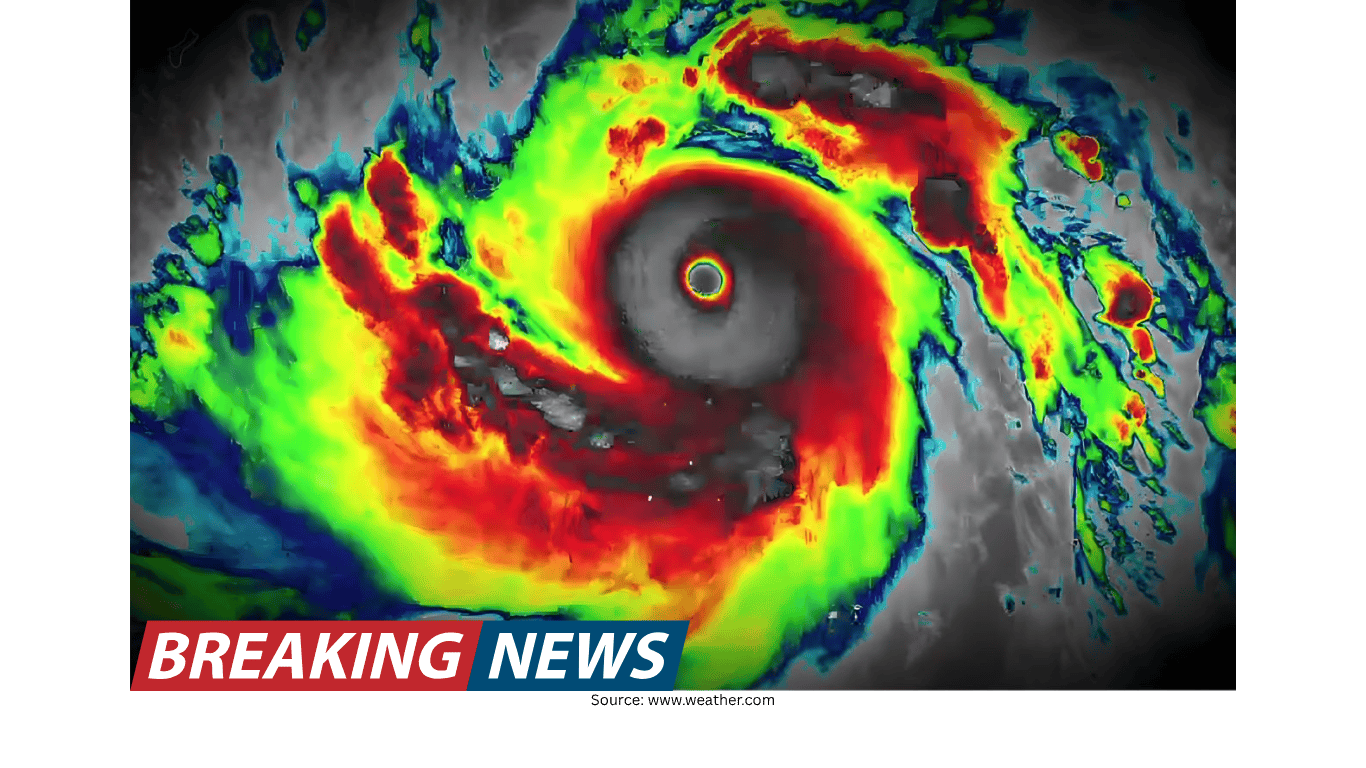
Super Typhoon Sinlaku has rapidly intensified over the Pacific Ocean, drawing widespread attention as new satellite imagery highlights the storm’s striking structure. The most notable feature in the latest visuals is a massive, well-defined eye—an indicator often associated with a highly organized and very intense tropical cyclone.
According to the information provided, Sinlaku’s sustained winds have reached 180 mph. That wind speed places the system among the most powerful tropical cyclones discussed this year, and it underscores how quickly conditions can change in the open ocean when the atmosphere and water temperatures align to support intensification.
While the most dramatic imagery is centered on the storm’s core, the typhoon’s influence is not limited to the eye and eyewall. Its outer bands have begun to lash the Mariana Islands, signaling that impacts can arrive well before the center of circulation comes close to land.
What “rapid intensification” means in this case
The description of Sinlaku emphasizes that the storm has “rapidly intensified,” a phrase commonly used when a tropical cyclone strengthens quickly over a relatively short period. In practical terms, rapid intensification can transform a system from a dangerous storm into an extreme one in a matter of hours or days, leaving less time for communities and maritime interests to adjust plans.
In Sinlaku’s case, the rapid strengthening is paired with “stunning satellite imagery” that reveals a highly symmetrical, well-defined eye. When satellite views show a clean, circular eye surrounded by dense clouds, it often reflects a storm that has consolidated its energy efficiently and is sustaining powerful winds around its center.
It is important to note that the most intense winds in a typhoon are typically concentrated near the eyewall, but the storm’s broader circulation can still produce hazardous weather far from the center. Outer rain bands can bring squally conditions, bursts of wind, and rough seas—effects that may be felt even when the core remains well offshore.
Satellite imagery highlights a massive, well-defined eye
One of the defining elements in the current discussion of Sinlaku is the storm’s clearly visible eye. The provided information describes it as “massive” and “well-defined,” and the accompanying satellite imagery is described as “stunning.” These details matter because they point to a tropical cyclone that is not only strong but also well organized.
A well-defined eye can be a visual shorthand for a storm that has developed a stable internal structure. In many cases, this structure helps a cyclone maintain intensity, at least for a time, as long as environmental conditions remain favorable. The eye itself is generally calmer than the surrounding eyewall, but it is bordered by the most violent winds and intense convection in the system.
For weather watchers, emergency planners, and residents in potentially affected regions, satellite imagery provides an immediate sense of scale and organization. Even without specialized training, viewers can often recognize when a storm looks unusually symmetric and intense, and that visual evidence can help communicate risk in a way that numbers alone sometimes do not.
Sustained winds reported at 180 mph
The storm’s sustained winds are reported to have reached 180 mph. That figure is central to why Sinlaku is being described as a standout system in the Pacific. Winds of that magnitude are capable of extreme damage in any direct land impact scenario, though the specific outcomes for any location depend on the storm’s track, intensity changes, and the timing of closest approach.
Wind speed is only one part of a tropical cyclone’s hazard profile, but it is a key metric used to communicate severity. When sustained winds climb to very high levels, the risk of structural damage rises sharply, and the storm’s ability to generate dangerous seas and significant wave action also increases.
Even when the center remains away from land, intense cyclones can create far-reaching marine hazards. For islands and coastal areas, large swells and rough surf can arrive ahead of the storm’s closest approach, and these conditions can pose risks to shipping, small craft, and coastal activities.
Outer bands begin to affect the Mariana Islands
The information provided notes that Sinlaku’s outer bands have started to lash the Mariana Islands. This is a critical detail because outer bands are often the first sign of a storm’s approach for communities in its path or near its projected path. These bands can bring periods of heavy rain, gusty winds, and rapidly changing conditions.
Outer-band impacts can be intermittent—conditions may worsen in bursts as bands rotate through, then briefly ease before another band arrives. This can create a deceptive sense of improvement between squalls. For residents and travelers, it is a reminder that the onset of a storm is not always a single, steadily worsening event; it can arrive in pulses.
As outer bands reach islands, local weather can become more hazardous even if the storm’s center remains distant. The broader circulation can drive squalls and rough seas, and the combination of wind and rain can reduce visibility and complicate transportation.
Track and the possibility of being 2026’s strongest system so far
Sinlaku is described as being “on track to potentially become the strongest system of 2026 so far.” That phrasing is important: it signals a high-end scenario while leaving room for uncertainty. Tropical cyclones can fluctuate in intensity, and their ranking relative to other storms in a year depends on how their peak winds compare over time.
Still, the combination of a large, well-defined eye and sustained winds reported at 180 mph is consistent with why the storm is being discussed in those terms. When a cyclone reaches such a high intensity, it naturally becomes a benchmark for the season to date.
Forecasting tropical cyclone intensity remains a complex challenge. While track forecasts have improved notably over time, intensity forecasting can be more difficult because it depends on internal storm dynamics and environmental factors that can change quickly. This is one reason why the language around “potentially” becoming the strongest system remains cautious, even when current intensity is extreme.
Why this storm is generating so much interest
Several elements combine to make Sinlaku a focal point for weather coverage and public interest. First is the rapid intensification itself, which can be dramatic and can elevate risk levels quickly. Second is the storm’s structure: a massive, well-defined eye is visually striking and often associated with very powerful cyclones. Third is the reported wind speed of 180 mph, a figure that stands out even among strong typhoons.
In addition, the mention that the outer bands are already affecting the Mariana Islands ties the storm’s evolution to real-world impacts. For many people, a storm becomes more immediate when its weather reaches inhabited areas, even if the core remains over open water.
Finally, the availability of video and satellite imagery makes the storm easier to understand at a glance. Visuals can show the storm’s scale and symmetry in a way that complements official numbers and written updates.
What to watch as Sinlaku evolves
Based on the limited factual details provided, the key themes to monitor are the storm’s intensity, its structure, and the progression of its outer bands across the region. A typhoon with a well-defined eye can maintain strength for a time, but intensity can still change as environmental conditions shift.
For the Mariana Islands, the immediate concern highlighted in the description is the arrival of the outer bands. These can produce periods of hazardous weather that may affect daily routines, travel, and marine activity. Conditions can vary significantly over short distances and short time periods as bands rotate through.
For the broader Pacific region, the storm’s potential to be the strongest system of 2026 so far makes it notable for seasonal context. Whether it ultimately holds that distinction depends on how its peak intensity compares with other systems over the course of the year.
Understanding impacts beyond the eye
It can be tempting to focus solely on the eye because it is the most recognizable feature in satellite imagery. However, the mention of outer bands lashing the Mariana Islands is a reminder that a storm’s hazards extend well beyond the center. In many tropical cyclones, the outer region can cover a large area, with rain bands and gusty squalls capable of producing disruptive conditions far from the eyewall.
Outer bands can also be associated with rapidly changing weather. A location might experience a burst of heavy rain and strong wind, followed by a relative lull, then another burst as the next band arrives. This pattern can complicate decision-making for people trying to determine whether the worst has passed.
Even when the core stays offshore, these bands can still affect aviation and marine operations, and they can make outdoor activities unsafe. The broader circulation can also generate large swells that travel outward, sometimes reaching coastlines at considerable distance from the storm’s center.
Key takeaways
Super Typhoon Sinlaku has rapidly intensified in the Pacific, with satellite imagery showing a massive, well-defined eye.
Sustained winds are reported at 180 mph, underscoring the storm’s extreme intensity.
The storm’s outer bands have begun to lash the Mariana Islands, bringing the first wave of impacts ahead of any potential closer approach.
Sinlaku is on track to potentially become the strongest system of 2026 so far, though that assessment remains dependent on how the storm evolves.
A storm worth close attention
Sinlaku’s rapid intensification, striking satellite presentation, and reported 180 mph sustained winds place it among the most notable Pacific systems discussed in 2026 to date. With outer bands already affecting the Mariana Islands, the storm is not only a dramatic feature on satellite loops but also a developing weather event with real impacts in the region.
As Sinlaku continues on its track, the most important developments will be whether it maintains its current structure and intensity, how its rain bands evolve, and how conditions unfold for areas already experiencing its outer effects. In the near term, the storm stands as a vivid example of how quickly tropical cyclones can strengthen and how far their influence can reach beyond the eye.