Tornado Strikes Rochester Hillsides, Leaving Widespread Damage
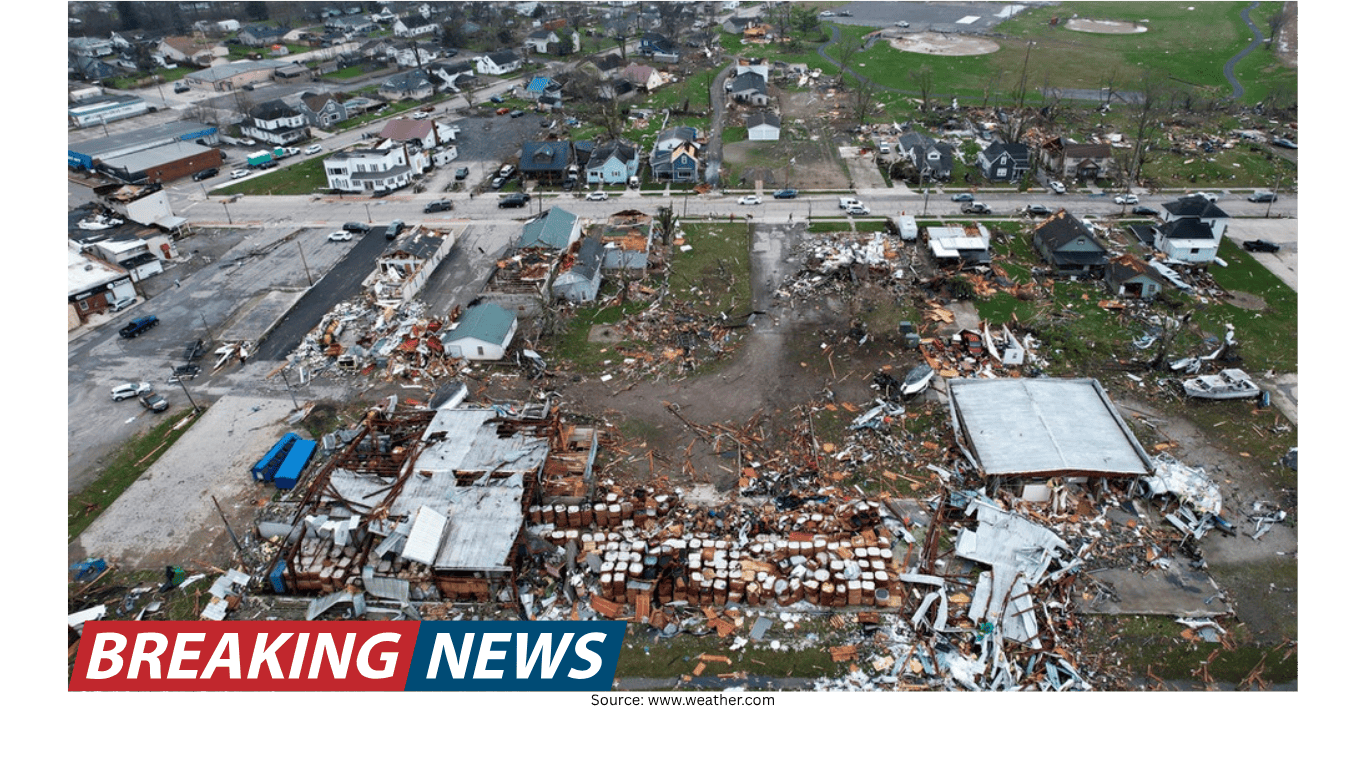
A destructive tornado in Rochester
A tornado tore through the hillsides of Rochester, Minnesota, leaving a clear trail of damage across residential neighborhoods. In the immediate aftermath, the scene was defined by broken trees, debris scattered across yards and streets, and visible damage to homes along the tornado’s path.
The event was described as devastating, and the impacts were concentrated in communities built along hillside areas. As the tornado moved through, it carved a destructive path that residents could trace by the pattern of downed trees and damaged structures.
What video footage showed at 1:05 PM
Video footage captured at 1:05 PM documented the extent of the destruction in parts of Rochester. The images showed multiple homes with roofs completely ripped off, with some properties also suffering damage to upper levels. In several cases, partial second levels were destroyed, indicating intense wind forces affecting the upper portions of buildings.
The footage also highlighted the damage to the natural landscape within these neighborhoods. Numerous trees were snapped, leaving trunks broken and limbs scattered. The scale of tree damage across residential streets and yards reinforced how broadly the tornado affected the area it crossed.
Damage across homes and neighborhoods
In the hillside neighborhoods hit by the tornado, the damage to homes appeared varied but severe in many places. Roofs were among the most visibly impacted parts of structures. With roofs ripped away, homes were left exposed to the elements and vulnerable to further deterioration, even after the tornado had passed.
Some homes showed signs of partial structural loss at the second level. This type of damage can be particularly disruptive for residents because it affects living spaces and can complicate the process of safely entering or securing a home. The visible destruction suggested that the tornado’s winds were strong enough not only to remove roofing materials but also to damage the framing and upper sections of buildings.
Across the affected communities, debris was scattered widely. Items and materials were strewn across yards and streets, creating obstacles for residents and complicating access for vehicles. The debris field also served as an indicator of the tornado’s route, marking where winds had lifted and displaced materials from homes and surrounding properties.
Trees snapped and streets littered with debris
Alongside the damage to buildings, the tornado left extensive impacts on trees throughout the residential areas it struck. Many trees were described as snapped, with the comparison to “toothpicks” underscoring the abruptness and force involved. Such damage can block roads, damage power lines, and create hazards for anyone moving through the area.
Streets and yards were left with scattered debris, which can range from small fragments to larger pieces of material displaced by winds. In the immediate period after a tornado, debris can make neighborhoods difficult to navigate and can pose safety risks, especially when sharp or unstable materials are present.
Residents begin assessing the aftermath
After the tornado moved through Rochester’s hillside neighborhoods, residents began assessing the damage to homes and properties. For many households, the first steps typically involve checking for visible structural issues, identifying immediate hazards, and determining what parts of a property may be unsafe to enter.
The process of assessment is often both practical and emotional. With roofs torn off and parts of upper levels damaged, residents in the tornado’s path faced the reality of significant property loss. The visible destruction across multiple homes and the widespread tree damage indicated that the tornado affected more than a single isolated location, leaving many people in nearby streets and blocks dealing with similar challenges.
As residents surveyed what happened, the debris scattered across yards and streets served as a constant reminder of the tornado’s passage. The disruption to everyday life was apparent in the altered landscape: trees down, homes damaged, and neighborhoods transformed in a matter of moments.
Emergency crews respond on scene
Emergency crews were on scene following the tornado, surveying the destruction and checking on residents in the affected areas. Their presence is a key part of the immediate response after severe weather, particularly in neighborhoods where structural damage and debris can create unsafe conditions.
Surveying destruction involves assessing the scope of damage across the impacted communities, identifying hazards, and helping coordinate the next steps for safety and recovery. Checking on residents is equally important, as it ensures that people in the tornado’s path are accounted for and that those who may need assistance are identified as quickly as possible.
With multiple homes showing major roof damage and trees snapped across residential streets, emergency crews faced a complex environment. Debris in roadways can slow movement and make it harder to reach certain homes, while damaged structures may require careful inspection to avoid additional risk.
Key observations from the Rochester tornado
The tornado moved through hillside neighborhoods in Rochester, Minnesota, leaving widespread damage.
Video captured at 1:05 PM showed multiple homes with roofs completely ripped off.
Some homes suffered partial destruction of second levels, indicating severe structural impacts.
Countless trees were snapped across residential areas, contributing to hazards and obstruction.
Debris was scattered across yards and streets as the tornado carved its path through communities.
Residents began assessing extensive damage to homes and properties after the storm passed.
Emergency crews responded on scene to survey destruction and check on residents.
A neighborhood-level view of destruction
While tornadoes are often described in terms of their broader meteorological context, the immediate reality is experienced at the neighborhood level. In Rochester, the tornado’s effects were visible in the details: roofs stripped away, upper levels damaged, and trees snapped throughout residential blocks.
In hillside communities, the physical layout of neighborhoods can make tornado damage especially noticeable. Homes may sit at varying elevations, and streets can curve around slopes and ridges. When a tornado passes through such terrain, the damage can appear in a line that follows the storm’s movement, with debris and broken trees tracing where the strongest winds traveled.
The footage and descriptions from Rochester suggest a storm that did not merely brush the area but moved through it with enough force to cause major structural damage. Roof loss across multiple homes points to a significant impact, and the partial destruction of second levels underscores the severity experienced by residents in the path.
Why roof and upper-level damage matters
Among the most striking images after a tornado are often those showing roofs torn away. Roofs are critical to a home’s structural integrity and protection. When they are removed, the interior of a building can be exposed, and the remaining structure can be compromised.
The reported damage in Rochester included roofs completely ripped off and partial second levels destroyed. Upper-level damage can be particularly disruptive because it may affect bedrooms and living spaces that are central to daily life. It can also indicate that the tornado’s winds were strong enough to impact more than exterior materials, reaching into the structure itself.
In the aftermath, such damage can leave residents facing difficult decisions about safety and next steps. Even when people are able to return to their properties, the condition of the structure may require careful evaluation, especially when parts of the building are missing or visibly weakened.
Debris scattered across yards and streets
As the tornado moved through Rochester, debris was scattered across yards and streets. This is a common hallmark of tornado damage, as high winds can lift and carry materials from homes, trees, and outdoor spaces.
Debris can create immediate hazards for residents and responders. Streets littered with materials may be difficult to drive on, while yards filled with fragments can make it harder to move safely around a property. The scattered debris also illustrates how tornado impacts extend beyond a single building: materials from one location can end up far from where they started, adding to the complexity of cleanup and recovery.
Community response in the first hours
In the first hours after the tornado, Rochester residents were left to take stock of what happened. Assessing damage is often the first step toward recovery, but it can be overwhelming when the destruction is widespread. In hillside neighborhoods where multiple homes were affected, residents likely encountered not only damage to their own properties but also the visible impacts on neighbors and nearby streets.
Emergency crews played a central role in this early period. By surveying the destruction and checking on residents, responders helped establish an initial understanding of the situation on the ground. Their work also supports the broader process of ensuring safety in areas where trees are down, debris is present, and buildings may be unstable.
The images described from Rochester—homes with roofs ripped off, partial second levels destroyed, and countless trees snapped—capture a moment of profound disruption. Even as residents and crews moved into assessment and response, the scale of the damage made clear that the tornado had left a significant mark on the community.
Continuing assessment and the road ahead
Following a tornado, the work of assessing damage can continue well beyond the first day. In Rochester, residents began evaluating the extensive damage to homes and properties across the affected hillside neighborhoods. With emergency crews on scene, the initial focus remained on surveying destruction and checking on residents who were in the tornado’s path.
The tornado’s passage through Rochester’s communities left behind a landscape of broken trees and damaged homes, with debris scattered across streets and yards. As the community moves from immediate response to longer-term recovery, the early documentation—such as the 1:05 PM video footage—serves as a snapshot of the storm’s impact and the challenges residents faced right away.
For those in the affected neighborhoods, the aftermath is defined by careful assessment, safety considerations, and the ongoing effort to understand the full extent of what the tornado changed in just a short span of time.