Colorado Hit by Late-Season “Cinco Snow Mayo” Storm, Bringing Heavy Wet Snow and Travel Disruptions
A wintry return in early May
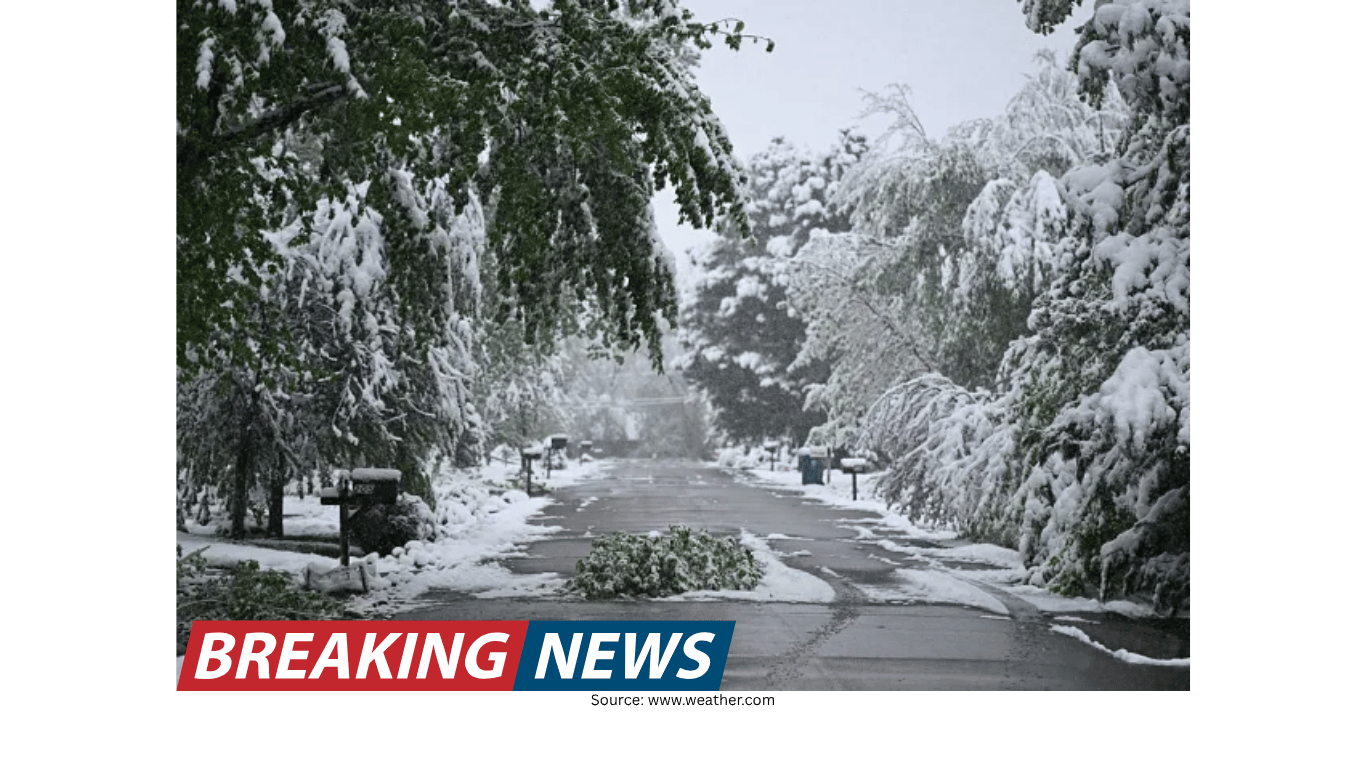
Parts of Colorado saw a striking reversal of the calendar during the first week of May as a late-season winter storm transformed familiar spring landscapes into a scene that looked more like January. The event, often nicknamed “Cinco Snow Mayo,” delivered heavy, wet snow that blanketed communities and complicated daily routines across affected areas.
While snow in the mountains is never entirely out of the question, the timing and character of this storm stood out. Instead of a light, powdery coating, the snow was described as heavy and wet—exactly the kind that clings to branches, weighs down trees, and creates slushy, difficult conditions on roads. For residents who had already shifted into spring mode, the abrupt return of winter weather brought both practical challenges and renewed attention to seasonal risks that can linger well into May.
Why heavy, wet snow can be especially disruptive
Not all snow causes the same level of impact. Heavy, wet snow is often more troublesome than colder, drier snow because it contains more moisture and compacts quickly. That added weight can increase stress on trees and infrastructure, and it can also make cleanup more difficult. Even when total snowfall amounts are not the headline, the density of the snow can be a major factor in how disruptive a storm becomes.
In this case, concerns extended beyond the immediate inconvenience of shoveling or clearing driveways. The storm raised the possibility of tree damage and power outages—two issues that can be closely linked when snow-laden branches snap or sag into power lines. The wet nature of the snow can also contribute to localized problems as it melts, particularly when combined with other factors that affect drainage and runoff.
Travel snarled as winter conditions returned
As the storm moved through, travel became a central issue. Roads that had been operating under spring conditions suddenly faced slush, reduced traction, and the kind of visibility and surface hazards more typical of midwinter. The result was snarled travel in and around the areas that received the brunt of the snow.
Late-season storms can be especially challenging for travelers because expectations are different in May than they are in January. Drivers may be less prepared for winter conditions, and vehicles may no longer be equipped with winter tires or emergency supplies. Even short trips can become complicated when heavy snow accumulates quickly and temperatures hover around the freezing mark, allowing snow to stick to roads and bridges.
Travel disruptions can ripple outward. When conditions deteriorate, delays and closures can affect commutes, deliveries, and scheduled activities. For a region that sees both local travel and seasonal visitors, a sudden return to winter weather can quickly reshape plans and put extra pressure on transportation systems.
Concerns about tree damage and power outages
One of the most immediate worries during a heavy, wet snow event is what it can do to trees. Branches that have begun to leaf out in spring can catch and hold more snow, adding weight and increasing the likelihood of breakage. When limbs come down, they can block roads, damage property, and create hazards for pedestrians and drivers.
These same conditions can contribute to power outages. Snow-loaded branches can bend into power lines, and broken limbs can fall directly onto electrical equipment. Even a relatively localized storm can cause scattered outages when the snow is dense and adheres to surfaces. Restoration work can also be slowed by the same travel and access issues that affect everyone else—slushy roads, blocked routes, and continued precipitation.
For households and businesses, the prospect of outages adds another layer of urgency. Power interruptions can affect heating, lighting, communications, and refrigeration, and they can complicate recovery efforts if they persist after the snow stops falling.
Flooding risk in the aftermath
The storm also raised concerns about flooding after the snow. Heavy, wet snow contains a lot of water, and when it melts it can contribute to runoff. If melting occurs quickly or if drainage is limited, water can pool in low-lying areas and create localized flooding concerns.
Post-storm flooding risk is often tied to timing. A rapid warm-up after a wet snowfall can accelerate melt, sending water into streets, storm drains, and waterways. Even without dramatic river flooding, the aftermath can include waterlogged ground, standing water, and minor flooding in spots where drainage is poor. These issues can be especially noticeable in urban areas where runoff has fewer places to go.
In addition, melting snow can add weight and moisture to already saturated soils. That can worsen the potential for trees to topple, particularly if roots are compromised or if the ground becomes soft. While the storm itself may be the headline, the days immediately following it often determine how long the impacts linger.
A spring storm that feels like midwinter
What made this event so notable was the contrast between the season and the scene. Early May typically signals a transition toward warmer weather, longer days, and a different set of outdoor expectations. A storm that creates a January-like landscape can feel jarring, both visually and practically.
That contrast is reflected in the nickname “Cinco Snow Mayo,” a play on the early-May timing. The phrase captures the surprise factor: a reminder that winter weather can reassert itself even as spring advances. For many residents, it is an annual lesson that the calendar alone does not determine conditions—especially in places where weather can change quickly.
What this kind of storm can mean for daily life
When a late-season storm arrives, the immediate impacts often extend beyond roads. Heavy snow can affect routine tasks such as commuting, running errands, and attending school or appointments. Outdoor work and recreation may need to be postponed, and property owners may have to shift attention back to winter-type maintenance.
Wet snow can also be physically demanding to clear. It tends to be heavier to shovel than dry snow, increasing the effort required to remove it from sidewalks and driveways. In addition, snow that melts and refreezes can create slick surfaces, raising the risk of slips and falls as temperatures fluctuate.
For communities, the return of winter conditions can require a rapid pivot. Equipment and staffing that had been scaled back after the typical winter season may need to be reactivated. Even when agencies are prepared, the timing can create logistical challenges, particularly if the storm arrives quickly or affects multiple areas at once.
Key concerns highlighted by the storm
Travel impacts: Snow-covered and slushy roads snarled travel during the first week of May.
Tree damage: Heavy, wet snow increased the risk of branches breaking and trees being damaged.
Power outages: Snow-laden limbs and downed branches raised concerns about outages.
Flooding after the storm: The water content of wet snow can contribute to runoff and flooding concerns as melting begins.
Planning for late-season surprises
Events like this underscore a practical reality for Colorado: winter weather can still make an appearance well into spring. Even when warmer days become more common, a late-season storm can quickly change conditions and bring back hazards that many people associate with the heart of winter.
Because the storm involved heavy, wet snow, the focus was not only on accumulation but also on the secondary impacts—stress on trees, the possibility of power interruptions, and the potential for water-related issues afterward. These are the kinds of effects that can persist beyond the final snowflake, shaping cleanup and recovery in the days that follow.
For travelers and residents alike, the “Cinco Snow Mayo” storm served as a reminder that preparedness is not strictly seasonal. In regions where weather can shift abruptly, keeping an eye on conditions and being ready for a rapid change can help reduce disruption when spring briefly gives way to winter again.
Looking ahead after the snow
As the storm moves on, attention typically turns to what happens next: clearing roads, assessing tree damage, restoring power where needed, and monitoring for any flooding as the snow melts. The aftermath can be a gradual process, particularly when wet snow leaves behind slush and standing water that take time to drain or evaporate.
Even so, the defining image of this event remains the same: parts of Colorado, in early May, temporarily buried under heavy, wet snow—an unexpected return to midwinter conditions that disrupted travel and raised a familiar set of concerns about what comes during and after a significant springtime snowstorm.