UN agencies warn of rising extreme rainfall as cyclones and monsoon floods disrupt lives across Southeast Asia
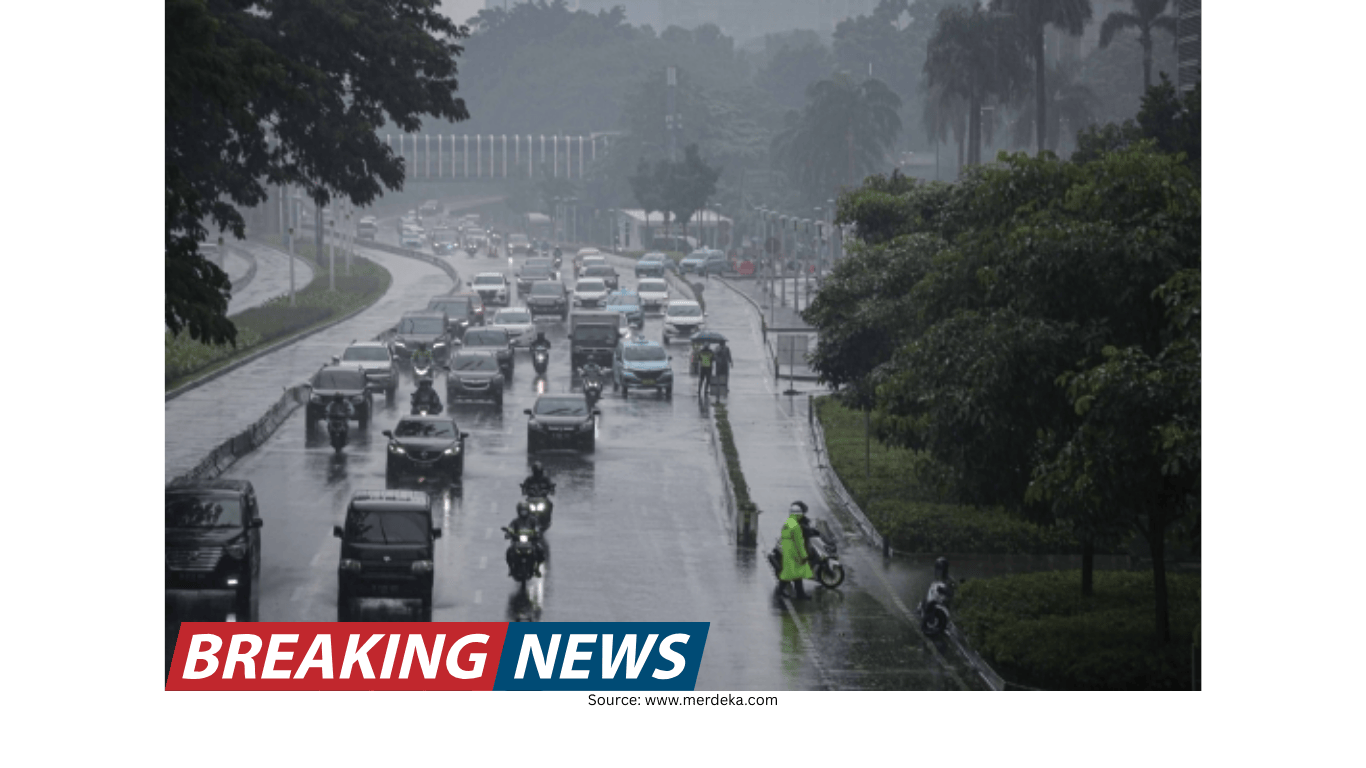
Back-to-back storms and monsoon rains leave a heavy toll
Record-breaking rains and flooding across Southeast Asia have claimed hundreds of lives and brought devastation and displacement to entire communities, according to UN agencies. The impacts have been linked to a combination of monsoon-related rainfall and tropical cyclone activity affecting several countries in the region, including Indonesia, the Philippines, Sri Lanka, Thailand and Viet Nam.
Speaking in Geneva, the World Meteorological Organization (WMO) described the current pattern as a convergence of seasonal monsoon rainfall with tropical storms arriving in quick succession. The result, the agency warned, is an elevated risk of flooding and landslides in places already vulnerable to water-related hazards.
UN Secretary-General António Guterres expressed deep sadness over the loss of life across the region. In a statement issued through his Spokesperson, he conveyed condolences to bereaved families and solidarity with those affected, adding that the United Nations is in close contact with authorities and stands ready to support relief and response efforts. UN Country Teams, the statement said, remain at the disposal of governments to provide necessary assistance.
Flooding is a persistent climate hazard in Asia
WMO spokesperson Clare Nullis underlined that “Asia is very, very vulnerable to floods,” noting that flooding consistently tops the list of climate hazards in the region in the organization’s annual State of the Climate reports. While the region frequently experiences intense rainfall during monsoon seasons, the compounding effect of tropical cyclones can magnify the danger, particularly when storms bring prolonged downpours over already saturated ground.
In practical terms, this vulnerability can translate into rapid-onset emergencies: rivers rise quickly, drainage systems are overwhelmed, and low-lying communities can be inundated with little time to move to safety. Landslides also become more likely when heavy rain destabilizes slopes, cutting off roads and isolating communities.
Indonesia: rare near-equatorial cyclone adds to the shock
In Indonesia, the WMO highlighted Tropical Cyclone Senyar, which last week brought “torrential rainfall and widespread flooding and landslides” across northern Sumatra, as well as impacts in peninsular Malaysia and southern Thailand. Ms. Nullis emphasized that tropical cyclones are rare so close to the Equator, a factor that can intensify the consequences.
When communities have limited experience with certain hazards, the effects can be magnified. According to the WMO spokesperson, such events are “not something that we see very often,” and that rarity means local communities may be less prepared for the scale and speed of impacts.
Updated figures cited by the WMO from Indonesia’s National Disaster Office indicate 604 fatalities, 464 people missing and 2,600 injured. The scale of disruption is also vast: around 1.5 million people have been affected in Indonesia, and more than 570,000 have been displaced.
These numbers reflect not only the immediate danger posed by floodwaters and landslides, but also the cascading effects that follow: displacement, damage to homes and infrastructure, and the challenge of restoring essential services in affected areas.
Viet Nam: weeks of battering rains and a record-setting downpour
Viet Nam has been “battered now for weeks” and is “bracing for yet more heavy rainfall,” according to the WMO. The agency said exceptional rains in recent weeks have flooded historic sites and popular tourist resorts and caused massive damage.
Among the most striking details shared by the WMO is a national 24-hour rainfall record reported at one meteorological station in central Viet Nam in late October: 1,739 millimetres in a single day. Ms. Nullis described the figure as “really enormous,” adding that it is the second-highest known total anywhere in the world for 24-hour rainfall.
The WMO said this exceptionally high value is subject to review by a formal WMO extremes evaluation committee. The agency noted that a value above 1,700 millimetres would constitute a record for the Northern Hemisphere and Asia, underscoring the extraordinary nature of the rainfall being observed.
For communities, heritage sites and tourism areas, such rainfall can be particularly destructive. Flooding can damage buildings and infrastructure, disrupt transport and services, and force evacuations. Even after waters recede, recovery can be prolonged when roads, utilities and public facilities have been affected.
Sri Lanka: UNICEF describes a fast-moving humanitarian emergency
In Sri Lanka, the UN Children’s Fund (UNICEF) described a “fast-moving humanitarian emergency” following Cyclone Ditwah, which made landfall on the country’s east coast last week. UNICEF spokesperson Ricardo Pires said the storm affected around 1.4 million people, including 275,000 children.
He warned that the true number of children impacted is likely higher because communications have been down and roads blocked, limiting the ability to assess needs and reach all affected areas. “Homes have been swept away, entire communities isolated,” he said, adding that essential services children rely on—such as water, healthcare and schooling—have been severely disrupted.
UNICEF also stressed the risks that can rise sharply after flooding. Displacement has forced families into unsafe and overcrowded shelters, while flooding and damaged water systems increase the danger of disease outbreaks. In such conditions, children can be especially vulnerable when access to clean water, sanitation, healthcare and safe learning environments is interrupted.
“The needs far outweigh the available resources right now,” Mr. Pires said, appealing for additional humanitarian funding and support for the most vulnerable.
Why extreme rainfall risk is increasing, according to the WMO
Beyond the immediate emergencies, the WMO pointed to a broader driver shaping the severity of rainfall events. Ms. Nullis explained that rising temperatures “increase the potential risk of more extreme rainfall because a warmer atmosphere holds more moisture.”
She described this relationship as a basic physical principle, adding that “we are seeing more extreme rainfall and we will continue to do so in the future.” In other words, as temperatures rise, the atmosphere can carry more water vapour, which can then be released in heavier downpours under suitable weather conditions.
This does not mean every storm will be extreme, but it does mean the potential for exceptionally heavy rainfall is increasing. For flood-prone regions, that heightened potential can translate into more frequent or more intense episodes of flooding, with serious implications for safety, infrastructure and humanitarian response.
What the current crisis shows about vulnerability and preparedness
The situations described by UN agencies reveal several overlapping challenges faced by countries across Southeast Asia during periods of intense rainfall and storm activity.
Scale of exposure: Large numbers of people can be affected at once, as seen in Indonesia and Sri Lanka, where millions have been impacted or are at risk due to flooding and storm damage.
Displacement and shelter pressures: When homes are swept away or areas become unsafe, families may be forced into crowded shelters, creating additional protection and health concerns.
Service disruption: Flooding can interrupt water supply, healthcare access and schooling—services that are critical for children and for community recovery.
Access constraints: Blocked roads and communication outages can slow assessments and delay aid delivery, leaving some communities isolated.
Unfamiliar hazards: Rare events—such as cyclones close to the Equator—can intensify impacts because local experience and preparedness may be limited.
These challenges do not occur in isolation. Flooding that damages roads can delay emergency assistance; displacement can heighten health risks; and disrupted communications can make it harder to understand the full scale of needs. Together, they can turn a severe weather event into a prolonged humanitarian strain.
Outlook: continued concern as heavy rain persists in parts of the region
With Viet Nam bracing for more heavy rainfall and other countries still managing the aftermath of storms and floods, UN agencies are signaling continued concern. The WMO’s assessment of increasing extreme rainfall risk, combined with UNICEF’s warning that needs exceed available resources in Sri Lanka, highlights both the immediate urgency of response and the wider challenge of coping with more intense rainfall events.
For affected communities, the priorities are immediate and practical: safety, shelter, clean water, healthcare, and the restoration of essential services. For governments and humanitarian partners, the situation underscores the importance of readiness and rapid response capacity when storms and monsoon rains converge.
As the UN Secretary-General’s statement noted, the United Nations remains in close contact with authorities and stands ready to support relief and response efforts, with UN Country Teams available to provide necessary assistance. Meanwhile, the WMO continues to monitor and evaluate extremes, including the exceptional rainfall reported in central Viet Nam, as part of its formal processes.
The latest events across Southeast Asia offer a stark snapshot of how quickly weather hazards can escalate into widespread disruption—and why UN agencies are warning that extreme rainfall is becoming a growing feature of the region’s risk landscape.